Diatomic Molecules: from hot to ultracold

  • MP Department Seminar
  • Date: Feb 9, 2024
  • Time: 09:30 AM c.t. - 10:30 AM (Local Time Germany)
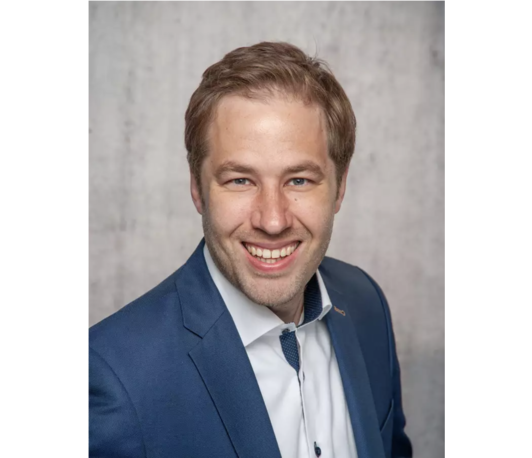
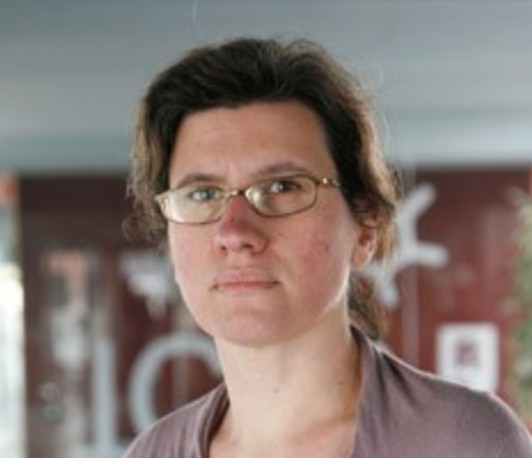
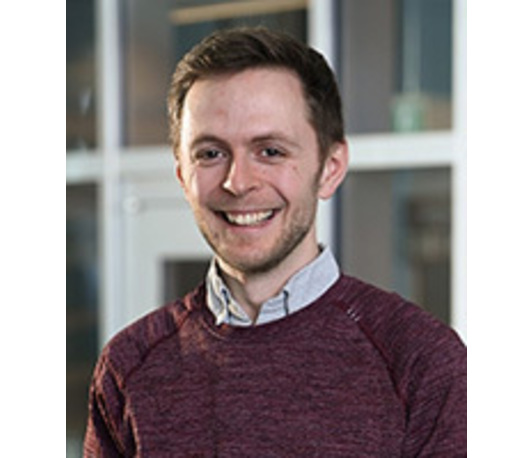
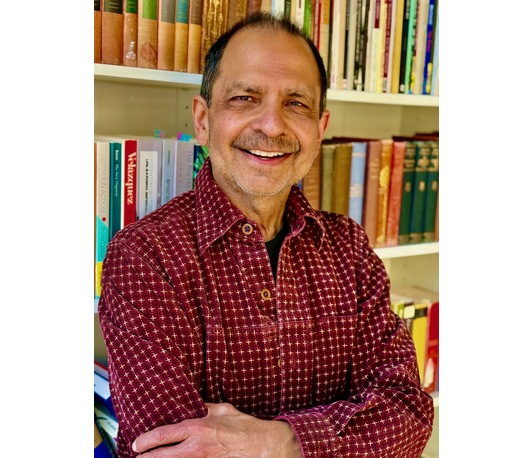
  • Speaker: Hannah Williams
  • Durham University, Department of Physics, see https://www.durham.ac.uk/staff/hannah-williams4/
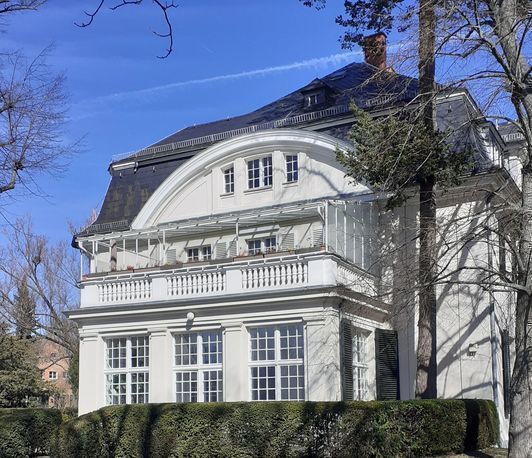
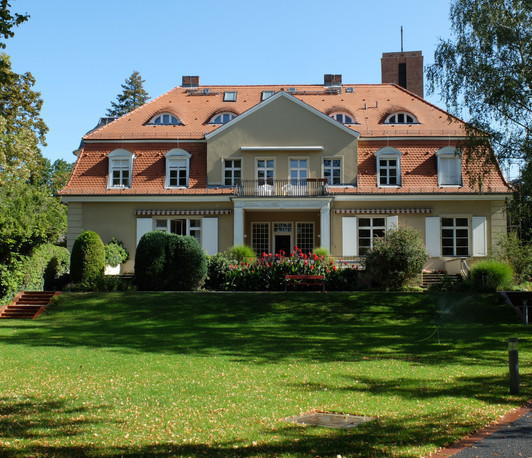
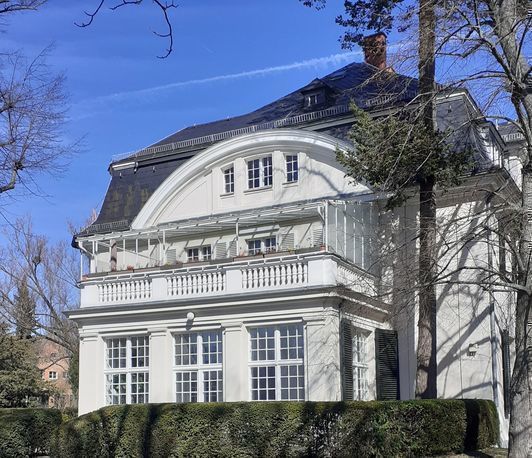
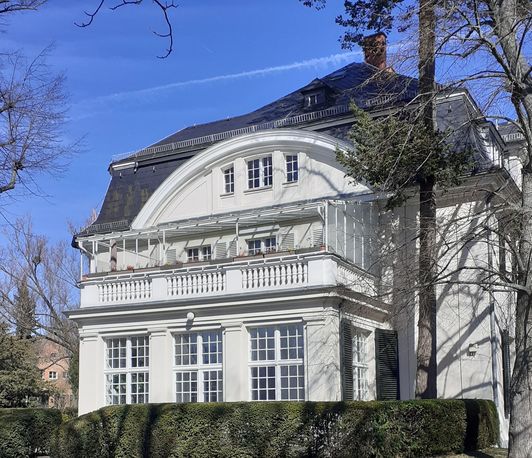
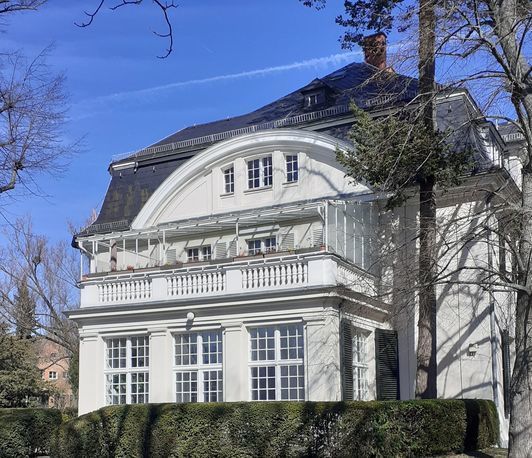
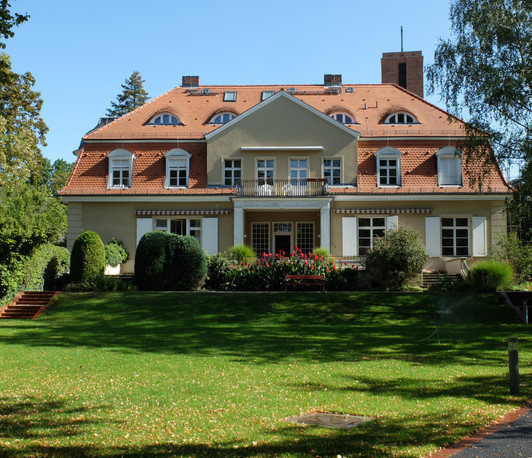
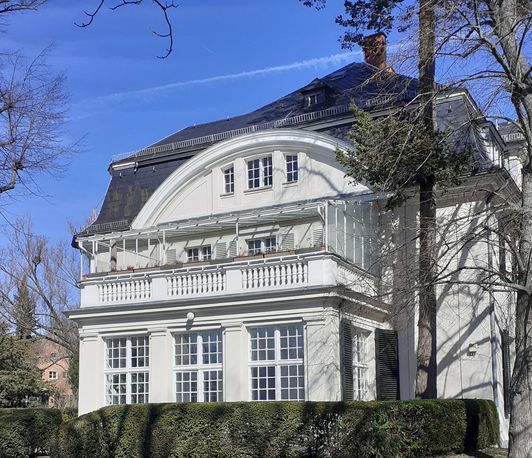
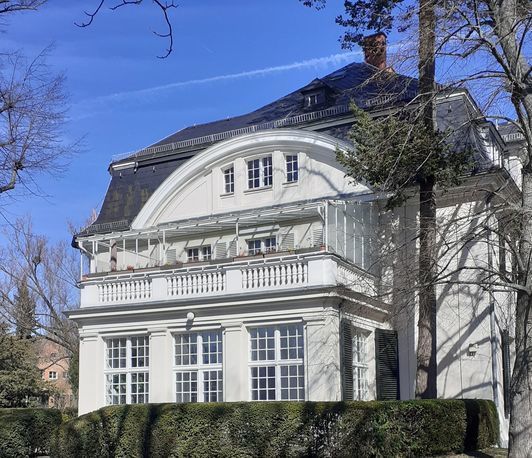
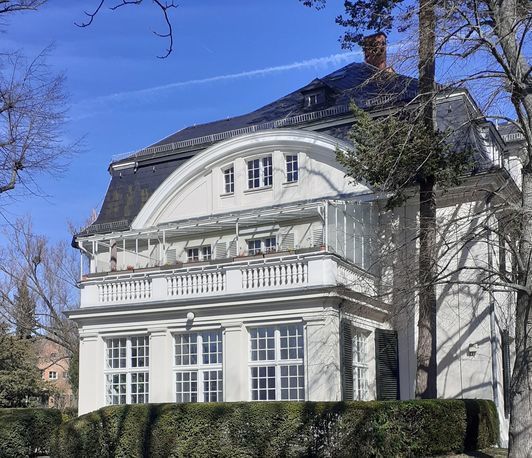
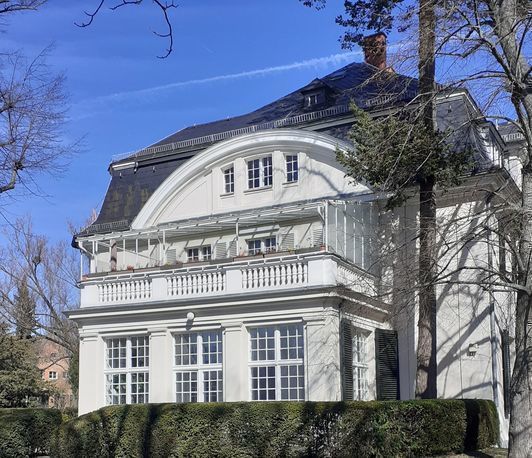
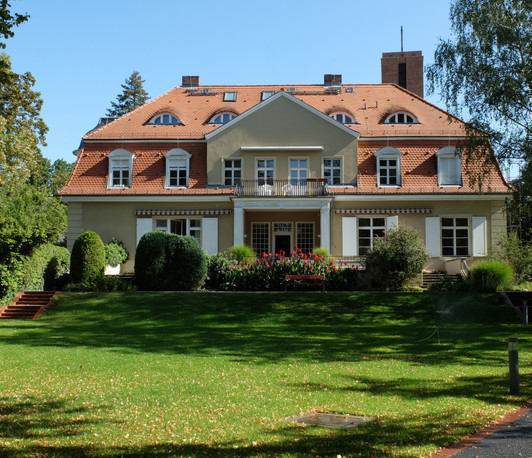
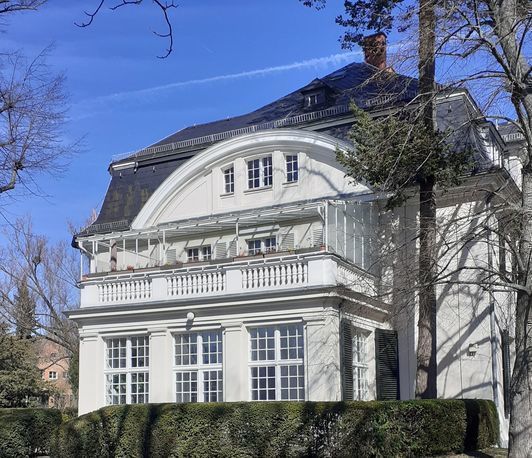
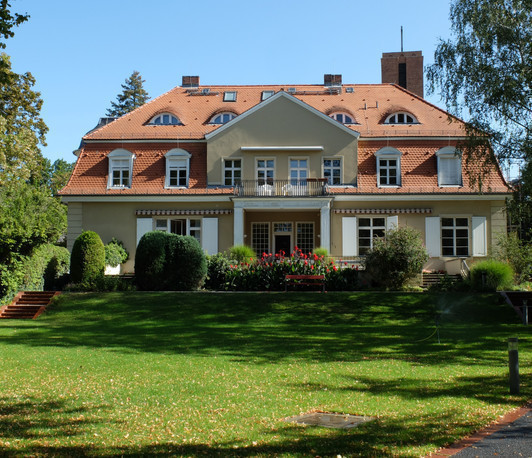
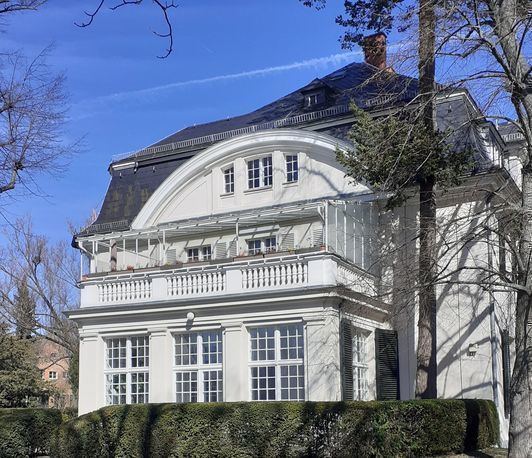
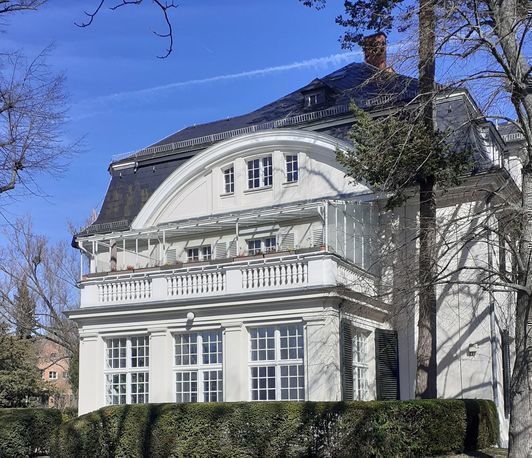
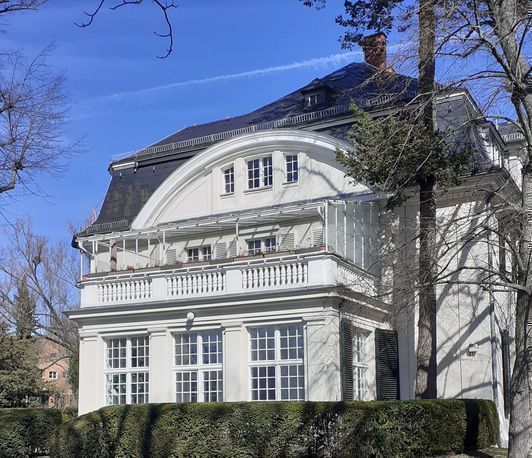
  • Location: Haber Villa
  • Room: Seminar Room
  • Host: Department of Molecular Physics
  • Contact: sidwright@fhi-berlin.mpg.de
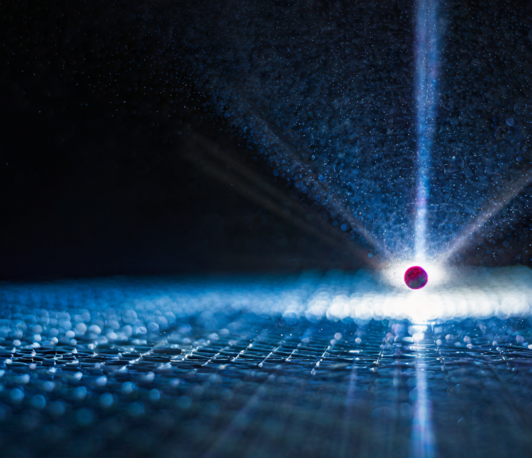
In this talk I will be discussing a new ultracold molecules experiment that I'm setting up at Durham University. Ultracold molecules offer possibilities for a range of applications from controlled chemistry and testing beyond standard model physics, to quantum simulation. In this talk I will focus on what makes cold molecules promising candidates for these applications, and how we are working towards harnessing power this experimentally. [more]

Catalyst for Acetylene Hydrogenation - CatLab Approach

CatLab Lectures 2023/2024
  • Date: Feb 9, 2024
  • Time: 10:30 AM - 12:00 PM (Local Time Germany)
  • Speaker: Dr. Katarzyna Skorupska
  • Fritz-Haber-Institut der Max-Planck-Gesellschaft
  • Location: HZB Adlershof BESSY II, Albert-Einstein-Straße 15, 12489 Adlershof
  • Room: BESSY II, Seminar Room at the entrance
  • Host: HZB and FHI
  • Contact: trunschk@fhi-berlin.mpg.de
The focus will be the catalyst characterization and development in heterogenous catalysis in particular in acetylene hydrogenation. The role of acetylene hydrogenation in industry and future renewable energy approaches will be discussed. [more]

High-power Ultrafast Moves into the Terahertz Domain

  • PC Department Seminar
  • Date: Feb 12, 2024
  • Time: 11:00 AM (Local Time Germany)
  • Speaker: Clara Saraceno
  • Ruhr Universität Bochum
  • Location: Building G
  • Room: 2.06
  • Host: Melanie Müller
Terahertz Time Domain Spectroscopy (THz-TDS) has become a ubiquitous tool in many scientific fields and is also increasingly deployed in industrial settings. While these systems become more and more mature, efficient and lab-based THz generation methods combining broad bandwidth and high dynamic range (e.g., as provided by high THz average power and correspondingly high repetition rate) remain rare. [more]

Will a single two-level atom simultaneously scatter two photons?

  • MP Department Seminar
  • Date: Feb 16, 2024
  • Time: 09:30 AM c.t. - 10:30 AM (Local Time Germany)
  • Speaker: Arno Rauschenbeutel
  • Humboldt-Universität zu Berlin, Institut für Physik
  • Location: Haber Villa
  • Room: Seminar Room
  • Host: Department of Molecular Physics
  • Contact: sidwright@fhi-berlin.mpg.de
The interaction of light with a single two-level emitter is the most fundamental process in quantum optics, and is key to many quantum applications. [more]

Multiscale Studies and Engineering of Surface-Reactive Systems

CatLab Lectures 2023/2024
  • Date: Feb 16, 2024
  • Time: 10:30 AM - 12:00 PM (Local Time Germany)
  • Speaker: Prof. Dr.-Ing. Gregor D. Wehinger
  • Institute of Chemical and Electrochemical Process Engineering, Clausthal University of Technology; Institute of Chemical Process Engineering, Karlsruhe Institute of Technology
  • Location: HZB Adlershof BESSY II, Albert-Einstein-Straße 15, 12489 Adlershof
  • Room: BESSY II, Seminar Room at the entrance
  • Host: HZB and FHI
  • Contact: trunschk@fhi-berlin.mpg.de
Tomorrow’s chemicals are facing massive transitions due to the need for an alternative energy input, changing feedstock, limited resources, varying cost structures, etc. Chemical and reaction engineering is in charge for chemical and electrochemical reactions to meet the upcoming business and technical objectives. For simultaneous process-product design, a multiscale understanding provides opportunities to consider phenomena on different time and length scales of the reaction system. [more]

Non-equilibrium dynamics of laser-excited electrons in a metal

  • PC Department Seminar
  • Date: Feb 19, 2024
  • Time: 11:00 AM (Local Time Germany)
  • Speaker: Bärbel Rethfeld
  • Universität Kaiserlautern
  • Location: Building G
  • Room: 2.06
  • Host: Melanie Müller
Femtosecond laser pulses irradiating a solid material induce a cascade of processes starting with the excitation of so-called hot electrons and passing through various relaxation processes. Several scattering mechanisms act on different timescales. At sufficiently high energy densities, phase transitions and ultrafast structural dynamics can be induced.We simulate the dynamics of a large ensemble of excited electrons using complete Boltzmann collision integrals. We consider the excitation of conduction electrons in a metal with visible light. On a femtosecond timescale, the electrons' energy distribution deviates strongly from a Fermi distribution. We extract spectral electron densities within specificenergy windows, and find complex behavior that cannot be matched with a single relaxation time.We show that electron-electron and electron-phonon scattering mutually influence each other during thermalization. For materials with several electronic systems, e.g. itinerant ferromagnets or dielectrics, we observe that temperatures and partial densities can be independent quantitieson picosecond timescales. [more]

Towards the Accurate Simulation of Electrochemical Interfaces by Combining Electron Density and Long-Range Machine-Learning Methods

  • TH Department Seminar
  • Date: Feb 22, 2024
  • Time: 02:00 PM (Local Time Germany)
  • Speaker: Dr. Andrea Grisafi
  • Institute of Data and Computational Sciences, Sorbonne Université, Paris, France
  • Location: https://zoom.us/j/94537687996?pwd=ZGpvVFpQT1owM20xajJnUjF0SU5qUT09
  • Room: Meeting ID: 945 3768 7996 | Passcode: 693535
  • Host: TH Department
The accurate study of electrochemical interfaces calls for simulation techniques that can treat the electronic response of metal electrodes under electrostatic perturbations. Despite recent advancements in atomistic machine-learning (ML) methods applied to electronic-structure properties, predicting the non-local behavior of the charge density in electronic conductors remains a majoropen challenge. [more]

Towards atomic diffraction through single-layer graphene

  • MP Department Seminar
  • Date: Feb 23, 2024
  • Time: 09:30 AM c.t. - 10:30 AM (Local Time Germany)
  • Speaker: Christian Brand
  • German Aerospace Center, Institute of Quantum Technologies, see https://thedelocalizedchemist.com/curriculum-vitae/
  • Location: Haber Villa
  • Room: Seminar Room
  • Host: Department of Molecular Physics
  • Contact: eibenberger@fhi.berlin.mpg.de
Using hydrogen atoms with a velocity of up to 120 000 m/s, we predict a high probability of coherently diffracting atoms through the natural lattice of the crystalline gratings. [more]

Recent insights on the generation, transport, and separation of charge carriers in metal oxide photocatalysts

CatLab Lectures 2023/2024
  • CANCELLED
  • Date: Feb 23, 2024
  • Time: 10:30 AM - 12:00 PM (Local Time Germany)
  • Speaker: Prof. Dr. Roel van de Krol
  • Helmholtz-Zentrum Berlin für Materialien und Energie, Technical University Berlin
  • Location: HZB Adlershof BESSY II, Albert-Einstein-Straße 15, 12489 Adlershof
  • Room: BESSY II, Seminar Room at the entrance
  • Host: HZB and FHI
  • Contact: trunschk@fhi-berlin.mpg.de
Metal oxide photoelectrodes tend to be cheap, easy to fabricate, and show relatively good (photo)chemical stability in aqueous solutions. This makes them attractive candidates as light absorbers in a variety of photoelectrochemical and photocatalytic applications. However, the energy conversion efficiencies of these absorbers are poor compared to photovoltaic-grade materials. [more]

Self-Interaction of Polarons Addressed through the Piecewise Linearity Condition

  • TH Department Seminar
  • Date: Feb 26, 2024
  • Time: 02:00 PM (Local Time Germany)
  • Speaker: Prof. Alfredo Pasquarello
  • Chaire de Simulation à l’Echelle Atomique, Ecole Polytechnique Fédérale de Lausanne, Switzerland
  • Location: https://zoom.us/j/91361117903?pwd=Wk0zU204QldnU1J1b0gvSS9GMVhJZz09
  • Room: Meeting ID: 913 6111 7903 | Passcode: 677098
  • Host: TH Department
The piecewise linearity condition is a property satisfied by the exact density functional and has been found to yield band gaps in accord with experiment [1,2] when imposed to hybrid functionals. [more]

Advances in Operando Spectroscopy and Microscopy of Heterogeneous Catalysts to Make the Fuels, Chemicals and Materials of the Future

  • ISC Department Seminar
  • Date: Feb 27, 2024
  • Time: 03:00 PM - 04:00 PM (Local Time Germany)
  • Speaker: Prof. Dr. ir. Bert Weckhuysen
  • Utrecht University, The Netherlands
  • Location: Building M, Richard-Willstätter-Haus, Faradayweg 10, 14195 Berlin
  • Room: Seminar Room
  • Host: Interface Science Department
  • Contact: nikolaus@fhi-berlin.mpg.de

Manoeuvring chemical reactions one degree of freedom at a time

  • MP Department Seminar
  • Date: Mar 1, 2024
  • Time: 09:30 AM c.t. - 10:30 AM (Local Time Germany)
  • Speaker: Jutta Toscano
  • Department of Chemistry, University of Basel, Switzerland
  • Location: Haber Villa
  • Room: Seminar Room
  • Host: Department of Molecular Physics
  • Contact: valtolina@fhi-berlin.mpg.de
The combined use of electric fields, magnetic fields and laser light affords us an ever-increasing level of control over the properties of atoms and molecules, enabling reactivity to be probed as a function of their various degrees of freedom1. Here, we discuss how electrostatic deflection2,3 can be employed to disentangle the reactivity of molecules in different rotational states4, or with different spatial orientation of their constituent atoms5. [more]

Workshop on “THz and SFG spectroscopy and related phenomena in Solid-State Physics and Surface Science"

  • Institute for Solid State Physics, Kashiwa, FHI Berlin, and Kyoto University, Kyoto
  • Date: Mar 11, 2024
  • Time: 09:30 AM - 04:00 PM (Local Time Germany)
  • Speaker: J.Yoshinobu, J.Haruyama, M.Thämer, N.Nagatsuka, A.Paarmann, et.al.
  • Institute for Solid State Physics, Kashiwa, FHI Berlin, and Kyoto University, Kyoto
  • Location: Building G
  • Room: 2.06
  • Host: Akitoshi Shiotari

Workshop on “THz and SFG spectroscopy and related phenomena in Solid-State Physics and Surface Science"

  • Institute for Solid State Physics, Kashiwa, FHI Berlin, and FU Berlin
  • Date: Mar 12, 2024
  • Time: 09:00 AM - 12:30 PM (Local Time Germany)
  • Speaker: S.Tanaka, M.Müller, S.Maehrlein, Y.Murotani, T.Kampfrath, et al.
  • Institute for Solid State Physics, Kashiwa, FHI Berlin, and FU Berlin
  • Location: Building G
  • Room: 2.06
  • Host: Akitoshi Shiotari

Investigating supercooled water with laser- and X-ray spectroscopy

  • MP Department Seminar
  • Date: Apr 5, 2024
  • Time: 09:30 AM c.t. - 10:30 AM (Local Time Germany)
  • Speaker: Claudia Goy
  • Deutsches Elektronen Synchrotron (DESY)
  • Location: Haber Villa
  • Room: Seminar Room
  • Host: Department of Molecular Physics
  • Contact: trinter@fhi-berlin.mpg.de
Water exhibits a variety of anomalies, some of which are particularly pronounced in the supercooled region. Its specific properties and possible structural and dynamical origins have been extensively studied, leading to the still inconclusive theory that water may exist in two structural motifs at low temperatures. [more]

Embedded Cluster Models and Solvation for the Simulation of Electrocatalysis

  • TH Department Seminar
  • Date: Apr 11, 2024
  • Time: 02:00 PM (Local Time Germany)
  • Speaker: Prof. Christopher J. Stein
  • Technical University of Munich, School of Natural Sciences, Department of Chemistry, Garching, Germany
  • Location: https://zoom.us/j/97265315379?pwd=eTlVbWhycklZSTNZZ1g3YWVZM2E1dz09
  • Room: Meeting ID: 972 6531 5379 | Passcode: 666603
  • Host: TH Department
Heterogeneous electrocatalytic processes are notoriously difficult to simulate due to i) the complex structure of the catalyst and the electric double layer, ii) the applied bias potential that drives the reaction and iii) the variety of length and time scales on which relevant transformations happen. Accurate atomistic simulations must therefore be able to explore the configurational space of the catalyst surface – which requires fast electronic-structure methods – and enable the calculation of accurate free energies and reaction kinetics – which requires accurate electronic-structure methods. [more]

Controlling and Observing Coherent Phonons in Thin van der Waals Materials

  • PC Department Seminar
  • Date: Apr 15, 2024
  • Time: 11:00 AM (Local Time Germany)
  • Speaker: Arne Senftleben
  • Universität Kassel
  • Location: Building G
  • Room: 2.06
  • Host: Sebastian Mährlein
Ultrashort laser pulses can induce coherent phonons, where all atoms in the crystal oscillate in phase. Using ultrafast electron diffraction, we can directly image this joint atomic motion in the time domain. [more]

Quantum sensors on Earth and in space

  • MP Department Seminar
  • Date: Apr 19, 2024
  • Time: 09:30 AM c.t. - 10:30 AM (Local Time Germany)
  • Speaker: Achim Peters
  • Humboldt-Universität zu Berlin & Ferdinand-Braun-Institut / Leibniz Institut für Höchstfrequenztechnik
  • Location: Haber Villa
  • Room: Seminar Room
  • Host: Department of Molecular Physics
  • Contact: valtolina@fhi-berlin.mpg.de
The development of quantum sensors has been one of the most important – and arguably currently most advanced – pillars of the ongoing efforts toutilize quantum technologies for practical applications. [more]

Girls´ Day

  • Date: Apr 25, 2024
  • Time: 09:00 AM - 03:00 PM (Local Time Germany)
  • Location: Faradayweg 4-6
  • Host: Fritz Haber Institute
Die Kolleg*innen am Fritz-Haber-Institut haben sich einen aufregenden und abwechslungsreichen Tag einfallen lassen. / The colleagues at the Fritz Haber Institute have come up with an exciting and eventful day. [more]

Quantum Science and Technologies using Ultracold Molecules

  • MP Department Seminar
  • Date: May 3, 2024
  • Time: 09:30 AM c.t. - 10:30 AM (Local Time Germany)
  • Speaker: Jongseok Lim
  • Centre for Cold Matter, Imperial College London, UK
  • Location: Haber Villa
  • Room: Seminar Room
  • Host: Department of Molecular Physics
  • Contact: sidwright@fhi-berlin.mpg.de
Ultracold molecules have a wide range of applications in quantum science and technologies spanning from fundamental physics to quantum computing and quantum chemistry, and this has sparked great interest in laser cooling of molecules. [more]

"Hot" Carriers in Nanostructures – When they matter, and when they do not...

  • PC Department Seminar
  • Date: May 15, 2024
  • Time: 11:00 AM (Local Time Germany)
  • Speaker: Yonatan Sivan
  • Ben-Gurion University
  • Location: Building G
  • Room: 2.06
  • Host: Melanie Müller
In the last couple of decades, non-thermal (“hot”) carriers in nanostructures have been simultaneously an inspirational concept to which a series of effects were ascribed, but also a source of confusion and hot debates. My talk will be aimed at describing the advances we obtained in the understanding of the role played by “hot” carriers in metals as well as transparent oxides via rigorous modelling of their generation process and dynamics, and extensive comparison to previous and new collaborative experimental work. [more]

Quantum Sensors in Diamond for Nano- and Microscale Magnetic Resonance Applications

  • TH Department Seminar
  • Date: May 16, 2024
  • Time: 11:30 AM (Local Time Germany)
  • Speaker: Prof. Dominik Bucher
  • TUM School of Natural Sciences, Technische Universität München, Garching, Germany
  • Location: https://zoom.us/j/99512086991?pwd=UE03TkprcitLQjdMRk5ZdVp0c0RQQT09
  • Room: Meeting ID: 912 7296 6563 | Passcode: 057467
  • Host: TH Department
Nitrogen vacancy (NV) point defects in diamond have emerged as a promising platform for quantum sensing. The electronic spin state of these solid-state qubits can be optically polarised, coherently manipulated with microwave pulses, and read out via their spin-state-dependent photoluminescence. Using this optically detected magnetic resonance method, magnetic signals from a single molecules or spins can be detected. [more]

Spin Effects in Adsorbed Molecules

  • PC Department Seminar
  • Date: May 16, 2024
  • Time: 02:00 PM (Local Time Germany)
  • Speaker: Richard Berndt
  • Institut für Experimentelle und Angewandte Physik, Christian-Albrechts-Universität zu Kiel
  • Location: Building G
  • Room: 2.06
  • Host: Akitoshi Shiotari
Using low-temperature scanning tunneling microscopy and occasionally synchrotron radiation methods we investigate molecules at surfaces. The experiments along with model calculations reveal molecular spin states and electron transport properties as well as intermolecular interactions. [more]

Low energy electron emission from charge exchange of slow highly charged ions with solid surfaces

  • MP Department Seminar
  • Date: May 17, 2024
  • Time: 09:30 AM c.t. - 10:30 AM (Local Time Germany)
  • Speaker: Richard A. Wilhelm
  • TU Wien, Institute of Applied Physics (see https://www2.iap.tuwien.ac.at/www/atomic/group/wilhelm/index)
  • Location: Haber Villa
  • Room: Seminar Room
  • Host: Department of Molecular Physics
  • Contact: trinter@fhi-berlin.mpg.de
The interaction of slow ions with condensed matter leads to the emission of electrons with energies typically well below 20eV. [more]

Extracting Chemistry From Core-Level Spectroscopies: Combining Theory And Experiment

  • Special MP Department Seminar
  • Date: May 21, 2024
  • Time: 09:30 AM c.t. - 10:30 AM (Local Time Germany)
  • Speaker: Paul S. Bagus
  • University of North Texas, https://chemistry.unt.edu/people-node/paul-bagus
  • Location: Haber Villa
  • Room: Seminar Room
  • Host: Department of Molecular Physics
  • Contact: freund@fhi-berlin.mpg.de
The goal of X-Ray Photoelectron Spectroscopy, XPS, and X-Ray Adsorption Near Edge Spectroscopy, XANES, is to obtain information about the chemical interactions and bonding in the compound studied. [more]

Mass spectrometry in electrocatalysis research

  • MP Department Seminar
  • Date: May 24, 2024
  • Time: 09:30 AM - 10:30 AM (Local Time Germany)
  • Speaker: Jana Roithova
  • Radboud University, Nijmegen, The Netherlands, see https://www.roithova-group.com/professor-roithova/
  • Location: Haber Villa
  • Room: Seminar Room
  • Host: Department of Molecular Physics
  • Contact: fielicke@fhi-berlin.mpg.de
Understanding reaction mechanisms is the key to developing new chemical reactions. [more]

New Experimental Platforms for Molecular Polaritonics

  • MP Department Seminar
  • Date: May 31, 2024
  • Time: 09:30 AM - 10:30 AM (Local Time Germany)
  • Speaker: Marissa L. Weichmann
  • Princeton University, Department of Chemistry, see https://chemistry.princeton.edu/faculty-research/faculty/marissa-weichman/
  • Location: Haber Villa
  • Room: Seminar Room
  • Host: Department of Molecular Physics
  • Contact: green@fhi.mpg.de
Polaritons are hybrid light-matter states with unusual properties that arise from strong interactions between a molecular ensemble and the confined electromagnetic field of an optical cavity. [more]

Thermochemistry: It’s not boring anymore!!!

  • Special MP Department Seminar
  • Date: Jun 4, 2024
  • Time: 09:30 AM - 10:30 AM (Local Time Germany)
  • Speaker: John F. Stanton
  • Department of Chemistry, University of Florida, see https://www.chem.ufl.edu/about-all/directory/people/name/john-stanton/
  • Location: Haber Villa
  • Room: Seminar Room
  • Host: Department of Molecular Physics
  • Contact: lau@fhi-berlin.mpg.de
One of the important areas of application for modern high-accuracy quantum chemistry is in the calculation of molecular energetics. [more]

Chemical Discovery Assisted by Machine Learning

  • TH Department Seminar
  • Date: Jun 6, 2024
  • Time: 02:00 PM (Local Time Germany)
  • Speaker: Prof. Julia Westermayr
  • Wilhelm-Ostwald-Institut für Physikalische und Theoretische Chemie der Universität Leipzig, Theoretische Chemie des Materialdesign, Leipzig, Germany
  • Location: https://zoom.us/j/98646277048?pwd=UTZjN2hKQjBRSTVTMzNrNWtwMmppQT09
  • Room: Meeting ID: 986 4627 7048 | Passcode: 202595
  • Host: TH Department
Chemical reactions are fundamental to drive the transformation of matter and are pivotal across diverse domains like medicine, materials science, and energy generation. [more]

Homogeneous Bose gases driven far from thermal equilibrium

  • MP Department Seminar
  • Date: Jun 7, 2024
  • Time: 09:30 AM - 10:30 AM (Local Time Germany)
  • Speaker: Christopher Ho
  • Clare College, University of Cambridge, see https://www.clare.cam.ac.uk/about/people/master-and-fellowship/college-research-associates/christopher-ho
  • Location: Haber Villa
  • Room: Seminar Room
  • Host: Department of Molecular Physics
  • Contact: sidwright@fhi-berlin.mpg.de
Far-from-equilibrium systems are ubiquitous in nature, such as in glasses, active matter, and turbulence, but are still poorly understood when compared to the unifying description of thermodynamics for systems in thermal equilibrium. [more]

From BayBE Steps to Giant Leaps - Industrial Applications of Modern Bayesian Optimization

  • NOMAD Laboratory
  • Date: Jun 10, 2024
  • Time: 03:15 PM (Local Time Germany)
  • Speaker: Martin Fitzner and Gerit Brandenburg
  • Merck KGaA, Germany
  • Location: Building T
  • Room: 0.18/0.19
  • Host: NOMAD Laboratory
Bayesian optimization is an old technique revived by using machine learning models at its core. This enables a plethora of extensions that really make the technique a great match for several real world applications. We showcase several examples such as custom and chemical encodings, transfer learning and slot-based mixture modelling enabled by our open-source code BayBE (https://github.com/emdgroup/baybe). [more]

Fritz Forum - FHI History

  • Date: Jun 12, 2024
  • Time: 05:00 PM (Local Time Germany)
  • Speaker: Bretislav Friedrich
  • Location: Building A
  • Room: FHI Library (Building A)
  • Host: PhD Rep.
We are pleased to welcome Bretislav Friedrich, Research Group Leader Emeritus and co-author of the book One Hundred Years at the Intersection of Chemistry and Physics: The Fritz Haber Institute of the Max Planck Society 1911-2011, as the speaker for the opening event. He will present the fascinating history of the institute. [more]

Tabletop transient NEXAFS spectroscopy with a laser-produced plasma source

  • MP Department Seminar
  • Date: Jun 14, 2024
  • Time: 09:30 AM - 10:30 AM (Local Time Germany)
  • Speaker: Ioanna Mantouvalou
  • SyncLab Combined X-ray methods at BLiX and BESSY II’, Helmholtz-Zentrum Berlin, Germany
  • Location: Haber Villa
  • Room: Seminar Room
  • Host: Department of Molecular Physics
  • Contact: trinter@fhi-berlin.mpg.de
Laboratory-based laser-produced plasma (lpp) soft X-ray sources achieve high brightness and stability in the EUV and XUV range. With emission energies beyond 1.6 keV and stable operating times in the range of hours, they already offer numerous experimental possibilities that are independent and supplemental to investigations at large scale facilities. [more]

Ultrafast Spectroscopy of Molecules for Renewable Energies

  • PC Department Seminar
  • Date: Jun 18, 2024
  • Time: 11:00 AM (Local Time Germany)
  • Speaker: Stefan Haacke
  • Location: Building G
  • Room: 2.06
  • Host: Zoé de Bigault de Granrut
In dye-sensitized solar cells (DSSCs) and in photo-catalytic devices designed for hydrogen production of CO2 reduction, light triggers ultrafast molecular processes, such as electron, energy transfer or singlet fission. Since these processes are at the heart of the function of the devices and of their efficiencies, the design of new molecular photo-sensitizers or catalysts can be optimized rationally if these processes are monitored by ultrafast spectroscopy. [more]

Exploring and Manipulating Materials with Ultrafast Linear and Nonlinear Scattering and Spectroscopy Techniques

  • PC Department Seminar
  • Date: Jun 21, 2024
  • Time: 11:00 AM (Local Time Germany)
  • Speaker: Michael Zuerch
  • University of California at Berkeley, USA
  • Location: Building G
  • Room: 2.06
  • Host: Martin Wolf
Our group specializes in ultrafast spectroscopic methods, enabling in-depth studies of material chemistry in intricate environments and the control of quantum phenomena on femtosecond timescales. In the first part of this seminar, I will discuss the role of lithium in various systems from its contribution to symmetry breaking (LiNbO3), to an exotic quantum material (polar metal LiOsO3), to unravel the reasons behind the low hopping rate of lithium ions at the surface of a solid-state electrolyte (LixLa(2-x)/3TiO3). All these systems share the common feature that Li occupies a symmetry-broken state which we can selectively probe using extreme-ultraviolet second-harmonic generation spectroscopy (XUV-SHG), a novel spectroscopy pioneered in my group. In the second part I will discuss recent results on 1T-TiSe2, a prototypical charge-density-wave (CDW) compound that also exhibits strong excitonic correlations in its low-temperature phase. [more]
Lange Nacht der Wissenschaften

  • Start: Jun 22, 2024 05:00 PM (Local Time Germany)
  • End: Jun 23, 2024 12:00 AM
  • Location: Richard Willstätter House
  • Host: Fritz Haber Institute
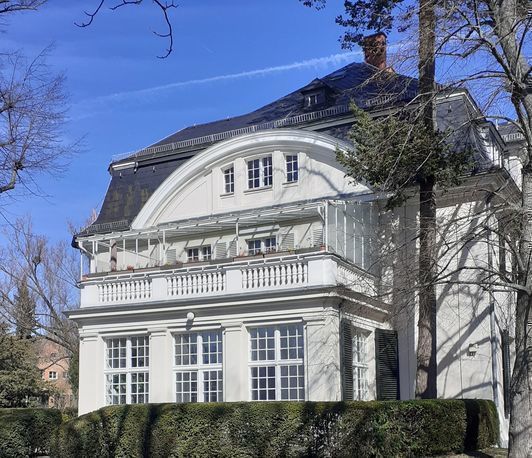
Wir freuen uns, ankündigen zu können, dass das Fritz-Haber-Institut an der Langen Nacht der Wissenschaften am 22. Juni 2024 teilnehmen wird. / We are excited to announce that the Fritz Haber Institute will be participating in the Long Night of Science on June 22, 2024. [more]

Brain States and the Mystery of Cognition: Using magnetic resonance imaging (MRI) to map the brain

  • Special MP Department Seminar
  • Date: Jun 24, 2024
  • Time: 09:30 AM - 10:30 AM (Local Time Germany)
  • Speaker: Elaine L. Bearer
  • The Harvey Family Professor, Dept of Pathology, Professor, Department of Music (secondary), University of New Mexico, Health Sciences Center, see https://hsc.unm.edu/medicine/departments/pathology/research/labs/bearer.html
  • Location: Haber Villa
  • Room: Seminar Room
  • Host: Department of Molecular Physics
  • Contact: friedrich@fhi-berlin.mpg.de
Patterns of neural activity distributed across the brain are termed “brain states”. [more]

Ultrafast Coherent Manipulation of Free Electrons via Quantum Interaction Withshaped Optical Fields for Advanced Imaging Approaches

  • PC Special Seminar & Hybrid
  • Date: Jun 26, 2024
  • Time: 11:00 AM (Local Time Germany)
  • Speaker: Giovanni Maria Vanacore
  • Laboratory of Ultrafast Microscopy for Nanoscale Dynamics (LUMiNaD), Department of Materials Science, University of Milano-Bicocca
  • Location: Haber-Villa
  • Host: Ralph Ernstorfer
The interaction between light and electrons can be exploited for generating radiation, or for controlling electron beams for dynamical investigation of materials, enabling new applications in quantum technologies and microscopy. [more]

Live-Ptychography: How to Solve a Quantitative Live Object Transfer Function in Microscopy?

  • TH Department Seminar
  • Date: Jun 27, 2024
  • Time: 02:00 PM (Local Time Germany)
  • Speaker: Dr. Dieter Weber
  • Forschungszentrum Jülich, Germany
  • Location: Building M, Richard-Willstätter-Haus, Faradayweg 10, 14195 Berlin
  • Room: Seminar Room
  • Host: TH Department
In transmission electron microscopy we record the intensity of an electron wave that has been created by the illumination optics, transmitted through a thin specimen, and then projected onto a detector. From that recorded intensity we want to learn about the specimen. [more]

Insights into Scientific Publishing

  • MP Department Seminar
  • Date: Jun 28, 2024
  • Time: 09:30 AM c.t. - 10:45 AM (Local Time Germany)
  • Speaker: Dr. Margherita Citroni
  • Chief Editor for Materials Science and Physical Chemistry, Nature Communications - Nature Portfolio
  • Location: Haber Villa
  • Room: Seminar Room
  • Host: Department of Molecular Physics
  • Contact: meijer@fhi-berlin.mpg.de
Publishing your work in an influential journal begins with good research, but there is much more to it. This interactive talk aims to demystify the editorial process from the perspective of an editor at a Nature Portfolio journal. [more]

Elucidation and Control of Advanced Photofunctions based on Excited States in Molecular Materials

  • PC Department Seminar
  • Date: Jul 1, 2024
  • Time: 11:00 AM (Local Time Germany)
  • Speaker: Kiyoshi Miyata
  • Kyushu University, Japan
  • Location: Building G
  • Room: 2.06
  • Host: Sebastian Mährlein
Microscopic understanding of exciton physics in molecular materials for optoelectronics is a great challenge because of their complexity resulting from strong electron-phonon coupling and perhaps interaction to spin degree of freedom, electron spin-flip of intersystem crossing in molecular optoelectronic materials are strongly connected to molecular geometries in the excited states and vibronic coupling, and singlet fission, ultrafast generation of a correlated triplet pair state from a singlet excited state, is viewed as an extreme example of a concerted process of electron-phonon-spin degrees of freedom. [more]

Enhanced reactivity and selectivity of oxide-supported single atom catalysts: it is all in the local atomic environment!

  • Date: Jul 2, 2024
  • Time: 02:00 PM - 03:00 PM (Local Time Germany)
  • Speaker: Prof. Talat S. Rahman
  • UCF Trustee Chair Professor and Pegasus Professor, University of Central Florida, Department of Physics
  • Location: Building M, Richard-Willstätter-Haus, Faradayweg 10, 14195 Berlin
  • Room: Seminar Room
  • Host: Interface Science Department
  • Contact: nikolaus@fhi-berlin.mpg.de
Singly dispersed transition metal atoms on oxide surfaces, the so-called single atom catalyst (SAC) have recently been shown to attain chemical activity and selectivity for several technologically important reactions that surpass those of Pt single crystal surfaces, the prototype exemplary catalyst but with a large price tag. Apart from being cost-effective, single atom catalyst offer excellent opportunities for tuning their local environment and thereby their oxidation state, local coordination, and electronic structure. In this talk, I will present results of collaborative work with several experimental groups on transition metal atoms anchored on surfaces, with and without ligands, that have the potential to be cost-effective catalysts with high activity and product selectivity. [more]

Redox Flow Batteries: Navigating an Emerging Design Space

  • Date: Jul 3, 2024
  • Time: 11:00 AM - 12:00 PM (Local Time Germany)
  • Speaker: Prof. Fikile Brushett
  • MIT - Massachusetts Institute of Technology, Cambridge, USA
  • Location: Building M, Richard-Willstätter-Haus, Faradayweg 10, 14195 Berlin
  • Room: Seminar Room
  • Host: Interface Science Department
  • Contact: nikolaus@fhi-berlin.mpg.de

Quantum mixtures of atoms and ions: road to ultracold

  • MP Department Seminar
  • Date: Jul 5, 2024
  • Time: 09:30 AM - 10:30 AM (Local Time Germany)
  • Speaker: Carlos Sias
  • Istituto Nazionale di Ricerca Metrologica, INRiM, Italy, see https://lens.unifi.it/aboutus/profile/carlo-sias
  • Location: Haber Villa
  • Room: Seminar Room
  • Host: Department of Molecular Physics
  • Contact: valtolina@fhi-berlin.mpg.de
Ultracold atoms and trapped ions are among the most formidable sources of coherent matter available in a laboratory. In a hybrid quantum system of atoms and ions, ultracold atoms and trapped ions are combined in a single experimental apparatus, thus realizing an innovative platform to experimentally investigate open problems of quantum physics from a new standpoint. [more]

Sommerfest | Summer Party

  • Date: Jul 5, 2024
  • Time: 05:00 PM (Local Time Germany)
  • Location: Building M, Richard-Willstätter-Haus, Faradayweg 10, 14195 Berlin
  • Host: Department of Molecular Physics
Die Abteilung Molekülphysik (MP) freut sich, Euch alle zum diesjährigen FHI-Sommerfest einzuladen! | The Molecular Physics (MP) department is delighted to invite you all to this years summer party! [more]

Machine Learning for First Principles Observables

CECAM Flagship Workshop
  • Start: Jul 8, 2024
  • End: Jul 12, 2024
  • Location: Zuse Institute, Takustraße 7, 14195, Berlin
  • Host: Elena Gelzinyte, Angela Harper, Simone Köcher, Hanna Türk
The countdown has begun for the upcoming CECAM Flagship Workshop: "Machine Learning for First Principles Observables", which will take place from the 8th to the 12th of June at the Zuse Institute, Takustraße 7, 14195, Berlin. The workshop is organized by members of the Institute´s Theory Department and further supported by CECAM, Psi-K, and DFG. [more]

Special Seminar - The Future Role of PP&B @ FHI

  • FHI Special Seminar
  • Date: Jul 11, 2024
  • Time: 11:00 AM (Local Time Germany)
  • Speaker: Simeon Beinlich & Heinz Junkes
  • PP&B
  • Location: Building G
  • Room: 2.06
Science faces the challenge of ever-increasing and more complex data that push existing evaluation methods to their limits. Additional requirements such as reproducibility, data security, consistency, transferability, and reusability cause significant effort and are hardly met by traditional manual workflows. [more]

About thermionic electron emission and associative ionization

  • MP Department Seminar
  • Date: Jul 12, 2024
  • Time: 09:30 AM - 10:30 AM (Local Time Germany)
  • Speaker: Gerard Meijer
  • Department of Molecular Physics, FHI
  • Location: Haber Villa
  • Room: Seminar Room
  • Host: Department of Molecular Physics
  • Contact: meijer@fhi-berlin.mpg.de

Across Molecular Timescales: Path Reweighting, Markov State Models and Machine Learning

  • TH Department Seminar
  • Date: Jul 18, 2024
  • Time: 02:00 PM (Local Time Germany)
  • Speaker: Prof. Bettina G. Keller
  • Freie Universität Berlin, Institute for Chemistry and Biochemistry, Physical & Theoretical Chemistry, Berlin, Germany
  • Location: https://zoom.us/j/95003933280?pwd=Bl67dKB3rE7fS7WSaWn2agau2JaSy3.1
  • Room: Meeting ID: 950 0393 3280 | Passcode: 100587
  • Host: TH Department
With machine-learnt molecular potential energy functions, most notably neural-network potentials, one can now sample chemical reactions and the influence of the environment on these reactions, as well as processes at high temperature and pressure at which the approximations of empirical molecular potentials break down. [more]

Big data, small data, complex data, more data, metadata − Tackling current and future challenges of scientific IT

  • MP Department Seminar
  • Date: Jul 19, 2024
  • Time: 09:30 AM - 10:30 AM (Local Time Germany)
  • Speaker: Simeon Beinlich
  • PP&B IT service group, FHI, see https://ppbwiki.fhi.mpg.de/Main/beinlich
  • Location: Haber Villa
  • Room: Seminar Room
  • Host: Department of Molecular Physics
Science faces the challenge of ever-increasing and more complex data that push existing evaluation methods to their limits. Additional requirements such as reproducibility, data security, consistency, transferability, and reusability cause significant effort and are hardly met by traditional manual workflows. [more]

Dynamics of CO2 activation by transition metal ions - The importance of intersystem crossing

  • MP Department Seminar
  • Date: Jul 26, 2024
  • Time: 09:30 AM - 10:30 AM (Local Time Germany)
  • Speaker: Jun.-Prof. Dr. Jennifer Meyer
  • Rheinland-Pfälzische Technische Universität Kaiserslautern-Landau, Department of Chemistry, see https://chem.rptu.de/en/meyer/group/jun-prof-dr-jennifer-meyer
  • Location: Haber Villa
  • Room: Seminar Room
  • Host: Department of Molecular Physics
  • Contact: fielicke@fhi-berlin.mpg.de
Understanding chemistry at the level of a reactive collision, that is how atoms rearrange during the reactive event, is a fundamental question in chemistry as well as in physics. [more]

Infrared Free-Electron Lasers: The State of the Art 2024

IR-FEL Symposium
  • Start: Jul 28, 2024 02:00 PM (Local Time Germany)
  • End: Jul 31, 2024 08:00 PM
  • Location: Harnack Haus
  • Host: Wieland Schöllkopf
  • Contact: wschoell@fhi-berlin.mpg.de
A symposium entitled "Infrared Free-Electron Lasers: The State of the Art 2024" will bring together machine scientists and users of IR FELs to celebrate 10 years of the FHI FEL Facility as well as the successful commissioning of the 2-color FHI FEL Upgrade. It will take place from July 28th to 31st, 2024 in the Harnack Haus next to the FHI campus in Berlin, Germany, see https://indico.fhi-berlin.mpg.de/event/140/ [more]

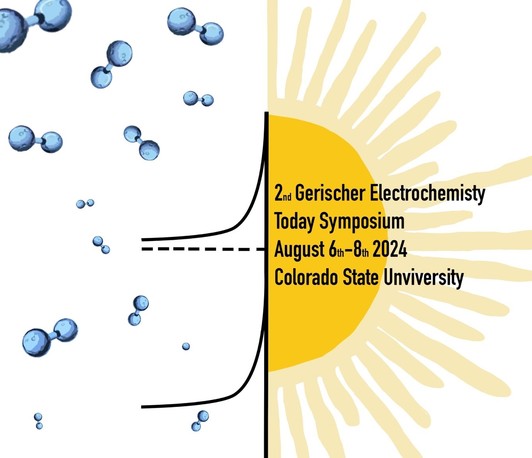
2nd Gerischer Electrochemistry Today Symposium "Semiconductor Electrochemistry: From Gerischer to Lewerenz and Beyond”

  • Start: Aug 6, 2024
  • End: Aug 8, 2024
  • Location: Colorado State University, Fort Collins, CO
  • Host: Katarzyna Skorupska, Justin B. Sambur, Katharina Brinkert,Shu Hu,Michael Rose
This symposium honors the scientific legacies of Heinz Gerischer and Hans-Joachim Lewerenz, who contributed to the fundamental understanding of semiconductor electrochemistry, photoelectrochemical solar cells, and fuel generating systems. The meeting will bring together approximately 100 chemists, physicists, engineers, and materials scientists who are interested in the materials, processes, and interfaces in (photo)electrochemical solar energy conversion systems. [more]

Challenges on the Renewable Energy Storage

  • Start: Sep 1, 2024
  • End: Sep 4, 2024
  • Location: Castle Liblice, Czech Republic
  • Host: Katrzyna Skorupska
  • Contact: skorupska@fhi-berlin.mpg.de
With the aim of enabling vital exchange of emerging expertise, the international conference “Challenges on Renewable Energy Storage” was set up. Following last year´s first gathering of this kind, the meeting will continue to bring together front runners of the fields catalysis and electrocatalysis, allowing them to exchange views on the most recent advancements, as well as to renew the necessary interdisciplinary networks. [more]

Systems Metrology at ZEISS Semiconductor Manufacturing Technology

  • MP Department Seminar
  • Date: Sep 5, 2024
  • Time: 09:30 AM - 10:30 AM (Local Time Germany)
  • Speaker: Dr. Maximilian Doppelbauer
  • ZEISS Semiconductor Manufacturing Technology (SMT)
  • Location: MP Communication Room, C 1.11
  • Room: Seminar Room
  • Host: Department of Molecular Physics
  • Contact: meijer@fhi-berlin.mpg.de
Precise optics produced by ZEISS Semiconductor Manufacturing Technology (SMT) are a centerpiece of ASML photolithography machines. These tools are indispensable for digitalization: over 80% of today’s microchips are manufactured on ASML wafer steppers and scanners. [more]

How Much Interfacial Electrochemistry Can Be Understood Without Orbitals?

  • TH Department Seminar
  • Date: Sep 5, 2024
  • Time: 11:00 AM (Local Time Germany)
  • Speaker: Prof. Jun Huang
  • Forschungszentrum Jülich, Institut für Energie- und Klimaforschung, Jülich, Germany
  • Location: https://zoom.us/j/95260339608?pwd=mjmXevZnGdF0BJG0hE3b89zPMqVu0o.1
  • Room: Meeting ID: 952 6033 9608 | Passcode: 704061
  • Host: TH Department
Electronic orbitals are a foundational concept in modern approaches to interfacial electrochemistry. While they are essential in many cases, the high computational cost of finding them could hinder the proper understanding of important practical problems. [more]

Disentangling the Processes of the Metal Nanoparticle Plasmon Decay for Photocatalytic Applications

  • PC Department Seminar
  • Date: Sep 9, 2024
  • Time: 11:00 AM (Local Time Germany)
  • Speaker: Holger Lange
  • Institute of Physics and Astronomy University of Potsdam
  • Location: Building G
  • Room: 2.06
  • Host: Niclas Sven Müller
Different processes are seen as relevant for the reaction rate enhancement of chemical reactions on optically excited metal nanoparticles. Recent studies suggest that all processes that follow a plasmon excitation, excited electrons, strong local fields and heat, can be of relevance for specific reactions. [more]

Atomic-level insights in catalytic nanomaterials by in situ surface spectroscopy and microscopy

  • ISC Department Seminar
  • Date: Sep 12, 2024
  • Time: 01:30 PM - 02:30 PM (Local Time Germany)
  • Speaker: Prof. Dr. Günther Rupprechter
  • Institute of Materials Chemistry, TU Wien, Getreidemarkt 9/BC, 1060 Vienna, Austria
  • Location: Building M, Richard-Willstätter-Haus, Faradayweg 10, 14195 Berlin
  • Room: Seminar Room
  • Host: Interface Science Department
  • Contact: roldan@fhi-berlin.mpg.de

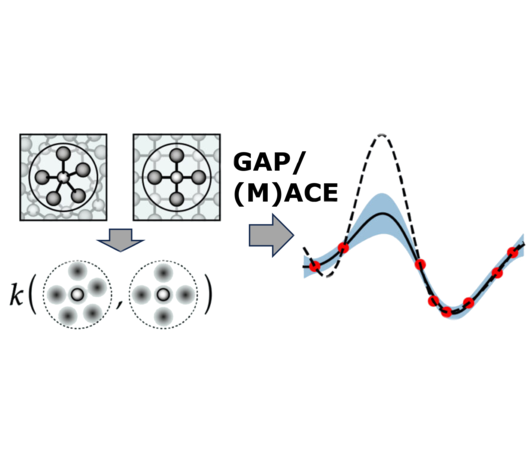
GAP/(M)ACE Developers & Users Meeting 2024

CECAM Node Workshop
  • Start: Sep 17, 2024
  • End: Sep 20, 2024
  • Location: Institute of Computer Science of the Free University of Berlin, Takustrasse. 9, 14195, Berlin
  • Host: Hendrik Heenen, Miguel Caro, Gabor Csanyi, Albert Bartok-Partay, Johannes Margraf, Giulia Glorani
The countdown has begun for the upcoming CECAM Node Workshop: "GAP/(M)ACE Developers & Users Meeting 2024", which will take place from the 17th to the 20th of September at the Institute of Computer Science of the Free University of Berlin, Takustrasse. 9, 14195, Berlin. The workshop is organized by members of the Institute´s Theory Department , Unviersity of Warwick, Aalto University, and University of Cambridge. It is further supported by CECAM, Psi-K, DFG, and Freie Universität Berlin. [more]

Missing Ions in Laboratory and Space

  • MP Department Seminar
  • Date: Sep 20, 2024
  • Time: 09:30 AM - 10:30 AM (Local Time Germany)
  • Speaker: Prof. Stephan Schlemmer
  • I. Physikalisches Institut, Universität zu Köln (see: https://astro.uni-koeln.de/schlemmer/curriculum-vitae)
  • Location: Haber Villa
  • Room: Seminar Room
  • Host: Department of Molecular Physics
  • Contact: lau@fhi-berlin.mpg.de
Molecular ions play a vital role in space because they are readily formed by the ubiquitous cosmic ray ionisation and often undergo rapid chemical reactions even at the low temperatures of the interstellar medium. [more]

Surface chemistry and catalysis of uniform Cu2O nanocrystals with well-defined shapes

  • ISC Department Seminar
  • Date: Sep 23, 2024
  • Time: 02:00 PM - 03:00 PM (Local Time Germany)
  • Speaker: Prof. Dr. Weixin Huang
  • Department of Chemical Physics, University of Science and Technology of China, Hefei 230026, China
  • Location: Building M, Richard-Willstätter-Haus, Faradayweg 10, 14195 Berlin
  • Room: Seminar Room
  • Host: Interface Science Department
  • Contact: hartung@fhi-berlin.mpg.de

Angular momentum of small molecules: quasiparticles and topology

  • Special MP Department Seminar
  • Date: Sep 25, 2024
  • Time: 09:30 AM - 10:30 AM (Local Time Germany)
  • Speaker: Mikhail Lemeshko
  • Institute of Science and Technology Austria, see https://lemeshko.ist.ac.at/lemeshko/
  • Location: Haber Villa
  • Room: Seminar Room
  • Host: Department of Molecular Physics
  • Contact: brich@fhi-berlin.mpg.de
I will present our recent findings on small molecules kicked by laser pulses. First, I will describe a technique that allows to probe highly excited molecular states in the presence of an environment, such as superfluid 4He, and a corresponding theory based on angulon quasiparticles that is capable of describing such states, in good agreement with experiment. [more]

Modeling Strain and Moiré Effects in Large-Scale Reconstructions

  • TH Department Seminar
  • Date: Sep 26, 2024
  • Time: 02:00 PM (Local Time Germany)
  • Speaker: Prof. Florian Libisch
  • Technische Universität Wien, Institute of Theoretical Physics, Vienna, Austria
  • Location: https://zoom.us/j/96394502174?pwd=MZEeR3HKrZB84GR4EC92xO5cp8NFyG.1
  • Room: Meeting ID: 963 9450 2174 | Passcode: 330972
  • Host: TH Department
Large-scale reconstructions, nanostructures, defects and moire patterns typically entail length scales of several nanometers. Their ab-initio modeling thus requires unit cells with a prohibitively large number of atoms. For example, the unit cell of magic-angle bilayer graphene, featuring superconducting many-body states, includes around 12 000 carbon atoms. [more]

Fe-doped Co3O4(111) spinel oxide epitaxial thin films for OER

  • ISC Department Seminar
  • Date: Oct 1, 2024
  • Time: 02:00 PM - 03:00 PM (Local Time Germany)
  • Speaker: Prof.Philippe Allongue
  • Directeur de Recherche at Physique de la Matière Condensée, Ecole Polytechnique, CNRS, Palaiseau, 91128, France 91128 Palaiseau (France)
  • Location: Building M, Richard-Willstätter-Haus, Faradayweg 10, 14195 Berlin
  • Room: Seminar Room
  • Host: Interface Science Department
  • Contact: nikolaus@fhi-berlin.mpg.de

IMPRS Block Course

  • Start: Oct 7, 2024 09:30 AM (Local Time Germany)
  • End: Oct 11, 2024 03:30 PM
  • Location: Universität Potsdam, Karl-Liebknecht-Straße 24-25, 14476 Potsdam-Golm
  • Room: House 25, Room F1.01 (2nd floor / 1. Etage)
This in-person block course of the International Max Planck Research School for ElementaryProcesses in Physical Chemistry showcases the current research within the School, exemplified by research-focus lectures from all groups involved in the IMPRS. The topics range from ultrafast surface science via catalysis to machine learning. [more]

Using Gradients in Structural Disorder to Refine Our Understanding of Electrocatalysts

  • ISC Department Seminar
  • Date: Oct 7, 2024
  • Time: 02:00 PM - 03:00 PM (Local Time Germany)
  • Speaker: Prof. Rodney Smith
  • Associate Professor, Department of Chemistry, University of Waterloo, Canada
  • Location: Building K, Haber-Villa, Faradayweg 8, 14195 Berlin
  • Room: Seminar Room
  • Host: Interface Science Department
  • Contact: nikolaus@fhi-berlin.mpg.de

Development of an Ultrafast Scanning Tunnelling Microscope Driven by Near-infrared Laser Pulses

  • PC Department Seminar
  • Date: Oct 14, 2024
  • Time: 11:00 AM (Local Time Germany)
  • Speaker: Tobias Weidner
  • Department of Chemistry, Aarhus University
  • Location: Building G
  • Room: 2.06
  • Host: Martin Thämer
Proteins are the machinery of life ­and understanding their structure provides important clues about their mode of action. Since proteins are so important for biology and medicine, more than 100.000 protein structures have been determined experimentally and are available in databases. [more]

Fritz Forum - Genes and Peoples

  • Date: Oct 17, 2024
  • Time: 05:00 PM (Local Time Germany)
  • Speaker: Sándor Fülöp and Dr. Jakob Schweizer
  • Location: Building A
  • Room: FHI Library (Building A)
  • Host: PhD Rep.
Our neighbors from the Max Planck Institute for Molecular Genetics, Sándor Fülöp and Dr. Jakob Schweizer, will be giving a talk on “Genes and Peoples: Research & Life at the Max Planck Institute for Molecular Genetics”. [more]

Hydrogen/Deuterium 1S-3S spectroscopy and beyond

  • MP Department Seminar
  • Date: Oct 25, 2024
  • Time: 09:30 AM - 10:30 AM (Local Time Germany)
  • Speaker: Dr. Pauline Yzombard
  • Sorbonne Université, Paris, Laboratoire Kastler Brossel, France
  • Location: Building K, Haber-Villa, Faradayweg 8, 14195 Berlin
  • Room: Seminar Room
  • Host: Department of Molecular Physics
  • Contact: sidwright@fhi-berlin.mpg.de
In this talk, I would like to present our latest result on the 1S-3S two-photon continuous wave spectroscopy of Deuterium atoms. [more]

Workshop on Workplace Communication for Women in Science

  • Date: Oct 29, 2024
  • Location: Fritz-Haber-Institut der Max-Planck-Gesellschaft
  • Host: Gender Equality Office
  • Contact: gleichstellung@fhi.mpg.de
The workshop offered a great opportunity for participants to find their own voice and experiment with various communication strategies. [more]

From BIG-Data to HOT-Extreme-Properties of High-Entropy Carbides, Carbo-Nitrides and Borides

  • NOMAD Laboratory
  • Date: Oct 29, 2024
  • Time: 10:00 AM (Local Time Germany)
  • Speaker: Prof. Stefano Curtarolo
  • Director, Center for Extreme Materials, Duke University, USA
  • Location: Building T
  • Room: 0.18/0.19
  • Host: NOMAD Laboratory
The need for improved functionalities in extreme environments is fueling interest in high-entropy ceramics. [more]

Record Stability and Accuracy in a Strontium Optical Clock

  • Special MP Department Seminar
  • Date: Oct 29, 2024
  • Time: 10:30 AM - 11:30 AM (Local Time Germany)
  • Speaker: Alexander Aeppli
  • JILA, joint institute of NIST and the University of Colorado Boulder, USA
  • Location: FHI library (building A)
  • Room: Seminar Room
  • Host: Department of Molecular Physics
  • Contact: valtolina@fhi-berlin.mpg.de
Atomic clocks have revolutionized precision measurement. Each advancement in timekeeping, from pendulum clocks to quartz oscillators, from microwave atomic clocks to optical atomic clocks, opens the door to new areas of physics. [more]

Ordered organic monolayers on silicon

  • ISC Department Seminar
  • Date: Oct 30, 2024
  • Time: 02:00 PM - 03:00 PM (Local Time Germany)
  • Speaker: Dr. Martin Franz, Prof. Dr. Mario Dähne
  • Technische Universität Berlin, Institut für Festkörperphysik, Berlin, Germany Fachgebiet Experimentalphy
  • Location: Building M, Richard-Willstätter-Haus, Faradayweg 10, 14195 Berlin
  • Room: Seminar Room
  • Host: Interface Science Department
  • Contact: nikolaus@fhi-berlin.mpg.de

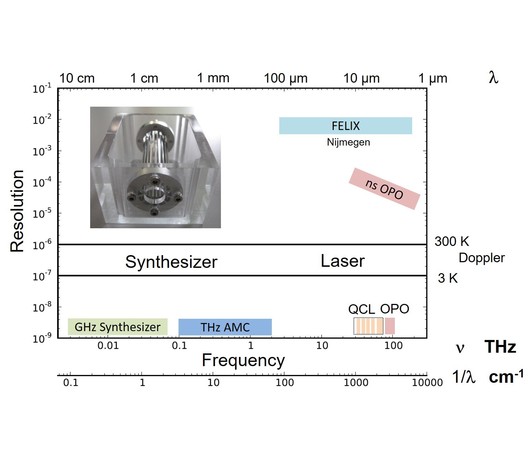
An introduction to resonant nonlinear optical frequency conversion

  • MP Department Seminar
  • Date: Nov 1, 2024
  • Time: 09:30 AM - 10:30 AM (Local Time Germany)
  • Speaker: Dr. Stephan Hannig
  • Agile Optic GmbH, Braunschweig, Germany
  • Location: Building K, Haber-Villa, Faradayweg 8, 14195 Berlin
  • Room: Seminar Room
  • Host: Department of Molecular Physics
  • Contact: sidwright@fhi-berlin.mpg.de
Direct single-mode cw laser sources cover a broad wavelength interval for an almost unimaginable range of applications. [more]

Using X-Ray Absorption Spectroscopy to Understand Thin Film Electrocatalysts

CatLab Lectures 2024/25
  • Date: Nov 1, 2024
  • Time: 10:30 AM - 12:00 PM (Local Time Germany)
  • Speaker: Dr. Marcel Risch
  • Helmholtz-Zentrum Berlin
  • Location: Building M, Richard-Willstätter-Haus, Faradayweg 10, 14195 Berlin
  • Room: seminar room, 1st floor
  • Host: HZB and FHI
  • Contact: trunschk@fhi-berlin.mpg.de
The combination of electrochemical methods (EC) and X-ray absorption spectroscopy (XAS) is a powerful approach to understand electrocatalysis on an atomistic level. While electrochemistry registers electrons that are passed through the external circuit, the element-specific XAS can pinpoint the source or sink of these electrons, i.e. identify the electrochemically active element or elements under and given condition. [more]

BERLIN SCIENCE WEEK - Berlin Postdoc Day 2024

  • Start: Nov 7, 2024 09:00 AM (Local Time Germany)
  • End: Nov 8, 2024 02:00 PM
  • Location: Humboldt Graduate School Luisenstr. 56 10117 Berlin Germany
  • Host: Max Delbrück Center, Technical University of Berlin, Humboldt University of Berlin, Freie Universität Berlin, Leibniz-Forschungsinstitut für Molekulare Pharmakologie, Charité – Universitätsmedizin Berlin, Fritz Haber Institute of the Max Planck Society
Berlin PostDoc Day 2024 (Nov 7-8) is an event for postdocs and PhD students to network, share research, and explore career paths through talks and workshops. [more]

Ionization-induced dynamics in water and aqueous solutions uncovered via ultrafast time-resolved x-ray absorption spectroscopy and theoretical modeling

  • MP Department Seminar
  • Date: Nov 8, 2024
  • Time: 09:30 AM - 10:30 AM (Local Time Germany)
  • Speaker: Dr. Ludger Inhester
  • CFEL-DESY-Theory Division, Center for Free-Electron Laser Science CFEL, Deutsches Elektronen-Synchrotron DESY, Hamburg
  • Location: Building K, Haber-Villa, Faradayweg 8, 14195 Berlin
  • Room: Seminar Room
  • Host: Department of Molecular Physics
  • Contact: hergenhahn@fhi-berlin.mpg.de
Our understanding of the immediate response of matter to ionization is crucial for many fields. [more]

Fundamentals and Operando Insights into Electrochemical Solid-Liquid Interfaces

CatLab Lectures 2024/25
  • Date: Nov 8, 2024
  • Time: 10:30 AM - 12:00 PM (Local Time Germany)
  • Speaker: Dr. Arno Bergmann
  • Fritz-Haber-Institut der Max-Planck-Gesellschaft
  • Location: Building F
  • Room: seminar room F1.04
  • Host: HZB and FHI
  • Contact: trunschk@fhi-berlin.mpg.de
Electrocatalysis represents one of the key technologies in facilitating the energy transition, particularly in the context of electrifying pivotal processes within the chemical energy sector. The combination of renewable power sources with electrolysis allows for the clean and decentralized conversion of electrical energy into chemical energy stored, for example, in hydrogen-related bonds. [more]

Molecules and Materials in Conversation: Encoding and Decoding Chemistry with Language Models

CatLab Lectures 2024/25
  • Date: Nov 15, 2024
  • Time: 10:30 AM - 12:00 PM (Local Time Germany)
  • Speaker: Dr. Kevin Jablonka
  • Helmholtz Institute for Polymers in Energy Applications
  • Location: Building M, Richard-Willstätter-Haus, Faradayweg 10, 14195 Berlin
  • Room: seminar room, 1st floor
  • Host: HZB and FHI
  • Contact: trunschk@fhi-berlin.mpg.de
The field of chemical sciences has seen significant advancements with the use of data-driven techniques, particularly with large datasets structured in tabular form. However, collecting data in this format is often challenging in practical chemistry, and text-based records are more commonly used. [more]

Joint FHI-ICAT Symposium

  • Start: Nov 18, 2024
  • End: Nov 19, 2024
  • Location: Fritz-Haber-Institut der Max-Planck-Gesellschaft
  • Host: Prof. Dr. Beatriz Roldán Cuenya / Prof. Dr. Karsten Reuter
The Symposium will present an opportunity to exchange expertise and engage in stimulating discussion on the subject of catalysis and its recent advancements.

Tracking Disorder and heterogeneity in ultrafast phasetransitions

  • PC Special Seminar
  • Date: Nov 20, 2024
  • Time: 03:00 PM (Local Time Germany)
  • Speaker: Simon Wall
  • Aarhus University
  • Location: Building G
  • Room: 2.06
  • Host: Melanie Müller
Driving phase transitions in materials with light on the ultrafast enables rapid control over material properties. Ultrafast spectroscopies have advanced so that we can track these events with attosecond temporal resolution. However, in general, time-resolved measurements are spatially averaged, so we do not know what is happening spatially. In (or close to) equilibrium, we know that phase transitions are often heterogeneous, with both phases existing on different length scales, but currently we do not know what happens on ultrafast timescales as we lack probes that can measure in time and space. In this talk, I will present our work where we exploit the power of X-ray lasers (XFELs) to study light-induced phase transitions on a range of length scales. I will show how we can track and control how the distribution of atomic positions changes during the phase transition. How we can use X-rays to measure phase transitions at a surface of a crystal, and how we can use resonant soft X-rays to image dynamic heterogeneity on the nanoscale. [more]

Para-ortho H2 conversion by collisions with O2 and NO

  • MP Department Seminar
  • Date: Nov 22, 2024
  • Time: 09:30 AM - 10:30 AM (Local Time Germany)
  • Speaker: Prof em. Ad van der Avoird
  • Institute of Theoretical Chemistry, Radboud University Nijmegen, The Netherlands
  • Location: Building K, Haber-Villa, Faradayweg 8, 14195 Berlin
  • Room: Seminar Room
  • Host: Department of Molecular Physics
  • Contact: meijer@fhi-berlin.mpg.de
It has been known since 1927 that two modifications of hydrogen exist: para-H2 and ortho-H2. Pure para-H2 can be prepared by leading a 1:3 para:ortho mixture of “normal” H2 over a catalyst at low temperature. In 1933 Farkas and Sachsse [1] measured the rate coefficient of para-ortho H2 conversion in gas mixtures with the paramagnetic open-shell molecules O2, NO, and NO2. [more]

Resonant Photoelectron Spectroscopy from Liquids and Solid-liquid Interfaces

CatLab Lectures 2024/25
  • Date: Nov 22, 2024
  • Time: 10:30 AM - 12:00 PM (Local Time Germany)
  • Speaker: Dr. Robert Seidel
  • Helmholtz-Zentrum Berlin für Materialien und Energie
  • Location: Building F
  • Room: seminar room F1.04
  • Host: HZB and FHI
  • Contact: trunschk@fhi-berlin.mpg.de
I will present recent research topics my group and I have been working on at the Helmholtz- Zentrum Berlin, where we spectroscopically investigate the electronic structure of liquids and solid–liquid interfaces; in particular, metal-oxide nanoparticle–water interfaces using liquid microjets, and electrolyte–anode interfaces using micro-fluidic (photo-)electrochemical cells. [more]

Helium atom and helium-like ions - where are we today?

  • Special MP Department Seminar
  • Date: Nov 27, 2024
  • Time: 09:30 AM - 10:30 AM (Local Time Germany)
  • Speaker: Dr. Alexander Turbiner
  • Instituto de Ciencias Nucleares, Universidad Autonoma de Mexico, Mexico & Department of Physics and Astronomy, Stony Brook University, USA
  • Location: Building C, Room C1.13
  • Room: Communication Room
  • Host: Department of Molecular Physics
  • Contact: friedrich@fhi-berlin.mpg.de
The Z-Helium atom is Nature's simplest atomic, 3-body system. [more]

Electron and Phonon Transport for Bulk Thermoelectrics, From High-Throughput Screening, Machine Learning Potential, to Electron-Phonon Renormalization

  • NOMAD Laboratory
  • Date: Nov 28, 2024
  • Time: 10:15 AM (Local Time Germany)
  • Speaker: Prof. Jiong Yang
  • Materials Genome Institute, Shanghai University, China
  • Location: Building T
  • Room: 0.18/0.19
  • Host: NOMAD Laboratory
The basic transport properties of thermoelectrics (TEs) are governed by electron and phonon, as well as their interaction. The transport properties have been well-documented for more than half century. [more]

Broken Patterns - Anomalies in the Spectra of Aluminum Monofluoride

  • MP Department Seminar
  • Date: Nov 29, 2024
  • Time: 09:30 AM - 10:30 AM (Local Time Germany)
  • Speaker: Nicole Walter
  • FHI, MP Department
  • Location: Building K, Haber-Villa, Faradayweg 8, 14195 Berlin
  • Room: Seminar Room
  • Host: Department of Molecular Physics
  • Contact: meijer@fhi-berlin.mpg.de
Usually, rotational spectra of diatomics can be described by a handful of spectroscopic parameters. [more]

Synthetic Materials Chemistry for a Green Hydrogen Future and Beyond

CatLab Lectures 2024/25
  • Date: Nov 29, 2024
  • Time: 10:30 AM - 12:00 PM (Local Time Germany)
  • Speaker: Dr. Prashanth W. Menezes
  • Helmholtz-Zentrum Berlin, Technical University of Berlin, University of Southern Queensland
  • Location: Building M, Richard-Willstätter-Haus, Faradayweg 10, 14195 Berlin
  • Room: Seminar Room
  • Host: HZB and FHI
  • Contact: trunschk@fhi-berlin.mpg.de
The transition to a sustainable energy future relies on developing efficient and scalable methods for green hydrogen production, a fundamental factor for decarbonizing energy and chemical industries. Electrocatalysis plays a pivotal role by enabling efficient cathodic hydrogen evolution and anodic oxygen evolution reaction. [more]

Electrochemical SERS Measurement Revealed Interfacial Molecular States During Dynamic Changes in the 2D Diffusion and Chemical Reaction

  • PC Department Seminar
  • Date: Nov 29, 2024
  • Time: 11:00 AM (Local Time Germany)
  • Location: Building G
  • Room: 2.06
  • Host: Akitoshi Shiotari
Liquid-Solid interfaces are the primary region where molecules interact through molecular motion and chemical reactions. However, it is challenging to gain insight into how interactions between the surface and solution modify molecular behavior. A powerful tool for evaluating these phenomena and molecular properties is in-situ surface-sensitive vibrational spectroscopy, such as surface-enhanced Raman scattering (SERS) induced by plasmonic materials.[1] [more]

Dynamics of Water/Metal Interface for Aqueous-Phase Hydrogenation

  • TH Department Seminar
  • Date: Dec 5, 2024
  • Time: 02:00 PM (Local Time Germany)
  • Speaker: Prof. Bin Wang
  • School of Sustainable Chemical, Biological and Materials Engineering, University of Oklahoma, USA and Max Planck Institute for Sustainable Materials GmbH, Düsseldorf, Germany
  • Location: https://zoom.us/j/97369496573?pwd=apqAprrk1mS5wVXKeSBgw7WblbgwTd.1
  • Room: Meeting ID: 973 6949 6573 | Passcode: 998887
  • Host: TH Department
The presence of water has been shown to enhance hydrogenation of polar chemical functional groups, such as C=O and N=O bonds, through proton shuttling. To demonstrate such rather sophisticated reaction pathways, explicit solvent models with dynamic change of local solvent structures should be considered. Beyond what we reported previously for water-promoted C=O hydrogenation in furfural1, in this presentation, we will highlight how the dynamics of the local water structures within the first solvation shell may affect the hydrogenation kinetics. [more]

Sustainable Chemistry Through Tailored Catalytic Interfaces of Nanoporous Materials

CatLab Lectures 2024/25
  • Date: Dec 6, 2024
  • Time: 10:30 AM - 12:00 PM (Local Time Germany)
  • Speaker: Prof. Dr. Arne Thomas
  • Technische Universität Berlin
  • Location: Building F
  • Room: seminar room F1.04
  • Host: HZB and FHI
  • Contact: trunschk@fhi-berlin.mpg.de
Catalysis is a critical technology with significant importance for the economic and ecological future of our society, as it is central to the development of resource-efficient and sustainable processes for energy and material conversion. [more]

Quasiparticles formation, dynamics and free carriers in 2D TMDC structures captured by TR-µARPES and nano-ARPES

  • PC Special Seminar
  • Date: Dec 6, 2024
  • Time: 01:30 PM (Local Time Germany)
  • Speaker: Chakradhar Sahoo
  • Aarhus University
  • Location: Building G
  • Room: 2.06
  • Host: Laurenz Rettig
Transition metal dichalcogenides (TMDC) are excellent models for the exploration of semiconductor physics at the 2D limit, with potential applications in electronics, optoelectronics, and quantum devices. The strong Coulomb interactions and distinct structural symmetries in these materials give rise to a rich variety of photoexcited states, including excitonic complexes that are tightly bound electron-hole pairs, and valley-spin polarized. However, directly accessing the momentum direct and indirect excitons and their dynamics are out of optical experimental reach. Here, I will talk about the generation of high repetition rate higher order harmonics (HRR-HHG) and its coupling with momentum microscope, to establish HRR time- and angle -resolve photoemission spectroscopy (TR-µARPES), demonstrated on a micron-scale monolayer WSe2 flake (1). This measures the momentum direct and forbidden excitonic states across entire Brillouin Zone (BZ) and measures their dynamics under different excitation conditions (2). The direct access of excitonic energy-momentum distribution leads to the measurement of excitonic wave function revealing the exciton size in real and k-space, whose electron follows the downward curvature of its partner hole (3). Beyond excitonic states, I will also visualize the evolution of the conduction band electrons in a 1LWS2-gated device captured through nano-ARPES (4). [more]

Probing and Controlling Lattice Dynamics in Chemical Systems: from 2D Materials to Batteries

  • PC Department Seminar
  • Date: Dec 9, 2024
  • Time: 11:00 AM (Local Time Germany)
  • Speaker: Raj Pandya
  • University of Warwick
  • Location: Building G
  • Room: 2.06
  • Host: Alexander Paarmann
Combining lattice and electronic dynamics with functional material properties is a holy grail for condensed matter science. For example, combing semiconducting and magnetic states in a material would enable the unlocking of spin-based electronics such as non-volatile transistors, which are key for low-energy computing [1]. In this talk I will detail our efforts towards lattice-based control of material properties in two important areas. [more]

Testing the Standard Model with Molecules

  • MP Department Seminar
  • Date: Dec 13, 2024
  • Time: 09:30 AM - 10:30 AM (Local Time Germany)
  • Speaker: Prof. Anastasia Borschevsky
  • The Van Swinderen Institute for Particle Physics and Gravity, University of Groningen; The Netherlands
  • Location: Building K, Haber-Villa, Faradayweg 8, 14195 Berlin
  • Room: Seminar Room
  • Host: Department of Molecular Physics
  • Contact: sidwright@fhi-berlin.mpg.de
Search for violation of fundamental symmetries provides a unique opportunity for testing the Standard Model. Atomic and molecular experiments offer a low energy and comparatively inexpensive alternative to high energy accelerator research in this field. [more]

Probing Local Structures and Structural Dynamics in Solid Catalysts with Electrons

CatLab Lectures 2024/25
  • CANCELLED
  • Date: Dec 13, 2024
  • Time: 10:30 AM - 12:00 PM (Local Time Germany)
  • Speaker: Dr. Thomas Lunkenbein
  • Fritz-Haber-Institut der Max-Planck-Gesellschaft
  • Location: Building F
  • Room: seminar room F1.04
  • Host: HZB and FHI
  • Contact: trunschk@fhi-berlin.mpg.de
Heterogeneous catalysis is considered one of the key technologies in prospective energy conversion scenarios. Yield, efficiency and lifetime of heterogeneous catalysts will become of utmost importance and the demand of novel high-performance catalysts fulfilling the above-mentioned criteria will rise tremendously. To cope with the prospective high demand for these functional solids, current catalyst development approaches based on empirical optimization may become insufficient and should be replaced by knowledge-based catalyst design strategies. [more]

The Advanced Research Center for NanoLithography: better chips-making-tools using fundamental physics research.

  • Special MP Department Seminar
  • Date: Dec 16, 2024
  • Time: 01:30 PM - 02:30 PM (Local Time Germany)
  • Speaker: Dr. Wim van der Zande
  • Advanced Research Center for Nanolithography, Amsterdam, The Netherlands
  • Location: Building K, Haber-Villa, Faradayweg 8, 14195 Berlin
  • Room: Seminar Room
  • Host: Department of Molecular Physics
  • Contact: meijer@fhi-berlin.mpg.de
ARCNL in Amsterdam started in 2014 upon an initiative of ASML. [more]

Operando Soft X-ray Spectroscopies for Observing Reactions at Thermo- and Electrocatalytic Interfaces

  • CatLab Lectures 2024/25
  • Date: Jan 10, 2025
  • Time: 10:30 AM - 12:00 PM (Local Time Germany)
  • Speaker: Prof. Robert Weatherup
  • University of Oxford, Diamond Light Source
  • Location: Building M, Richard-Willstätter-Haus, Faradayweg 10, 14195 Berlin
  • Room: Seminar Room
  • Host: HZB and FHI
  • Contact: trunschk@fhi-berlin.mpg.de

Laser excitation and spectroscopy of the Thorium-229 nucleus

  • MP Department Seminar
  • Date: Jan 17, 2025
  • Time: 09:30 AM - 10:45 AM (Local Time Germany)
  • Speaker: Univ.Prof. Dipl.-Phys. Dr.rer.nat. Thorsten Schumm
  • Institute for Atomics and Subatomic Physics, Vienna University of Technology, Austria
  • Location: Building K, Haber-Villa, Faradayweg 8, 14195 Berlin
  • Room: Seminar Room
  • Host: Department of Molecular Physics
  • Contact: eibenberger@fhi.berlin.mpg.de
Among all known isotopes, Thorium-229 has the lowest nuclear excited state, only 8.4 eV above the ground state. [more]

Simulations in Electrochemical Systems

  • CatLab Lectures 2024/25
  • Date: Jan 17, 2025
  • Time: 10:30 AM - 12:00 PM (Local Time Germany)
  • Speaker: Prof. Nuria Lopez
  • Institut Català d'Investigació Química (ICIQ)
  • Location: Building M, Richard-Willstätter-Haus, Faradayweg 10, 14195 Berlin
  • Room: Seminar Room
  • Host: HZB and FHI
  • Contact: trunschk@fhi-berlin.mpg.de

Coupled Catalytic Reactions and Key Technologies for Sustainable Chemical Production

  • ISC Department Seminar
  • Date: Jan 21, 2025
  • Time: 02:30 PM - 03:30 PM (Local Time Germany)
  • Speaker: Dr. Phil Preikschas
  • ETH Zürich, Institute for Chemical and Bioengineering, Department of Chemistry and Applied Biosciences
  • Location: Building P
  • Room: Seminar Room
  • Host: Interface Science Department
  • Contact: nikolaus@fhi-berlin.mpg.de

Bridging Native and Intrinsic Structures of Microhydrated Biomolecules by Cryogenic Ion Spectroscopy

  • MP Department Seminar
  • Date: Jan 23, 2025
  • Time: 09:30 AM - 10:30 AM (Local Time Germany)
  • Speaker: Andrei Zviagin
  • École Polytechnique Fédérale de Lausanne, Switzerland
  • Location: Building K, Haber-Villa, Faradayweg 8, 14195 Berlin
  • Room: Seminar Room
  • Host: Department of Molecular Physics
  • Contact: meijer@fhi-berlin.mpg.de
Over the years, cryogenic ion spectroscopy has established itself as a powerful technique for studying the structures and properties of biomolecules in the gas phase. [more]
Bimetallic Catalyst for Hydrogenation Reactions

CatLab Lectures 2024/25
  • Date: Jan 24, 2025
  • Time: 10:30 AM - 12:00 PM (Local Time Germany)
  • Speaker: Dr. Katarzyna Skorupska
  • Fritz-Haber-Institut
  • Location: Building M, Richard-Willstätter-Haus, Faradayweg 10, 14195 Berlin
  • Room: Seminar Room
  • Host: HZB and FHI
  • Contact: trunschk@fhi-berlin.mpg.de
A series of independent lectures on fundamentals and latest developments in heterogeneous catalysis, thin film technology, physical chemistry, process engineering and materials design. [more]

Nano- and microelelctroanalytic methods for understanding electrocatalysts

  • ISC Department Seminar
  • Date: Jan 27, 2025
  • Time: 02:30 PM - 03:30 PM (Local Time Germany)
  • Speaker: Prof. Dr. Wolfgang Schuhmann
  • Analytical Chemistry - Center for Electrochemical Sciences (CES); Facult of Chemistry and Biochemistry, Ruhr Universität Bochum
  • Location: Building P
  • Room: Seminar Room
  • Host: Interface Science Department
  • Contact: nikolaus@fhi-berlin.mpg.de

Fritz Forum - Mental Health

  • Date: Jan 29, 2025
  • Time: 04:30 PM (Local Time Germany)
  • Speaker: Jörg Bergmann
  • Location: Building A
  • Room: FHI Library (Building A)
  • Host: PhD Rep.
We are pleased to announce that the third edition of the Fritz Forum will feature Dipl.-Psych. Jörg Bergmann, who will give a lecture on the topic of mental health. The event will take place on January 29th at 16:30 in the FHI library and will be titled “Mental Health: A Societal and Organizational Issue”. [more]

Structural Dynamics of Water, Ice, and Chemical Reactions Revealed by X-ray Experiments at FELs

  • MP Department Seminar
  • Date: Jan 31, 2025
  • Time: 09:30 AM - 10:30 AM (Local Time Germany)
  • Speaker: Prof. Kyung Hwan Kim
  • Department of Chemistry, POSTECH, Pohang, South Korea
  • Location: Building K, Haber-Villa, Faradayweg 8, 14195 Berlin
  • Room: Seminar Room
  • Host: Department of Molecular Physics
  • Contact: wschoell@fhi-berlin.mpg.de
X-ray science has evolved dramatically with the use of X-ray free electron lasers (XFELs) that can generate ultrashort X-ray pulses with unprecedented brilliance and coherence. [more]

How to Make Fuels and Chemicals with Sunlight: Artificial Photosynthesis

CatLab Lectures 2024/25
  • Date: Jan 31, 2025
  • Time: 10:30 AM - 12:00 PM (Local Time Germany)
  • Speaker: Prof. Dr. Francesca Toma
  • Institut für funktionale Materialien für Nachhaltigkeit, Helmholtz-Zentrum Hereon
  • Location: Building M, Richard-Willstätter-Haus, Faradayweg 10, 14195 Berlin
  • Room: Seminar Room
  • Host: HZB and FHI
  • Contact: trunschk@fhi-berlin.mpg.de
Artificial photosynthesis offers a transformative approach to sustainable fuel and chemical production by mimicking natural photosynthesis to convert sunlight, CO₂, and water into value-added products. This presentation highlights recent progress in developing advanced photoelectrodes and tailoring catalytic microenvironments to enhance reaction efficiency and selectivity. [more]

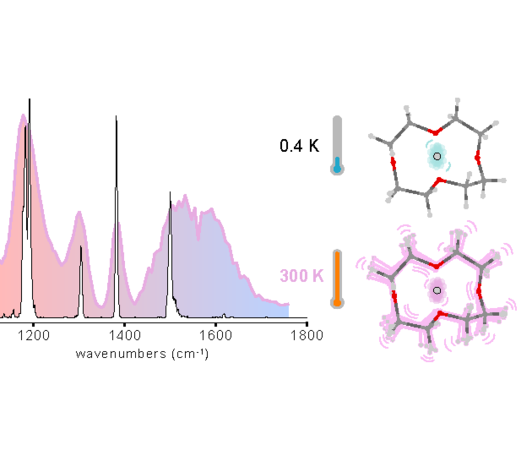
Spectroscopic investigation of proton bonding at sub-kelvin temperatures

  • MP Department Seminar
  • Date: Feb 7, 2025
  • Time: 09:30 AM - 10:30 AM (Local Time Germany)
  • Speaker: America Torres-Boy
  • FHI, Molecular Physics Department
  • Location: Building K, Haber-Villa, Faradayweg 8, 14195 Berlin
  • Room: Seminar Room
  • Host: Department of Molecular Physics
  • Contact: torres@fhi.mpg.de
The proton bond is a pivotal chemical motif with significant implications across science and technology, yet its quantum chemical description is challenged by nuclear and charge delocalization effects. [more]

The Many Roles of Nanostructured Carbon Materials in Heterogeneous Catalysis

CatLab Lectures 2024/25
  • Date: Feb 7, 2025
  • Time: 10:30 AM - 12:00 PM (Local Time Germany)
  • Speaker: Prof. Dr. Martin Oschatz
  • Friedrich-Schiller-University Jena
  • Location: Building M, Richard-Willstätter-Haus, Faradayweg 10, 14195 Berlin
  • Room: seminar room, ground floor
  • Host: HZB and FHI
  • Contact: trunschk@fhi-berlin.mpg.de
Nanostructured carbon materials are a fascinating class of materials to showcase possible synergies and to develop novel, disruptive concepts for heterogeneous catalysis at the border between materials chemistry research and catalysis research. [more]

Catalysts of Change: Advanced Materials Steering Health and Energy Transition

CatLab Lectures 2024/25
  • Date: Feb 14, 2025
  • Time: 10:30 AM - 12:00 PM (Local Time Germany)
  • Speaker: Prof. Dr. Sanjay Mathur
  • University of Cologne
  • Location: Building M, Richard-Willstätter-Haus, Faradayweg 10, 14195 Berlin
  • Room: Seminar Room
  • Host: HZB and FHI
  • Contact: trunschk@fhi-berlin.mpg.de
Advanced materials are driving innovation across all fields of technology, ranging from construction and mechanical engineering, automotive and electromobility, to medical technology, energy storage and conversion technologies, and microelectronics. [more]

Progress in laser cooling the AlF molecule

  • MP Department Seminar
  • Date: Feb 21, 2025
  • Time: 09:30 AM - 10:30 AM (Local Time Germany)
  • Speaker: Sid Wright
  • FHI, Molecular Physics Department
  • Location: Building K, Haber-Villa, Faradayweg 8, 14195 Berlin
  • Room: Seminar Room
  • Host: Department of Molecular Physics
  • Contact: sidwright@fhi-berlin.mpg.de
The aluminium monofluoride molecule (AlF) is a promising candidate for laser cooling and trapping at high densities. [more]

Deciphering the Structure of Single Active Sites Under In Situ and Operando Conditions Using X-ray Absorption Spectroscopy

CatLab Lectures 2024/25
  • Date: Feb 21, 2025
  • Time: 10:30 AM - 12:00 PM (Local Time Germany)
  • Speaker: Dr. Andrea Martini
  • Fritz-Haber-Institute der Max-Planck-Gesellschaft
  • Location: Building M, Richard-Willstätter-Haus, Faradayweg 10, 14195 Berlin
  • Room: Seminar Room
  • Host: HZB and FHI
  • Contact: trunschk@fhi-berlin.mpg.de
Understanding the structure of catalysts under relevant reaction conditions is crucial, as their active sites often undergo dynamic changes. These transformations can significantly influence the catalytic performance, emphasizing the importance of employing operando techniques that enable real-time monitoring. This seminar will explore the application of X-ray Absorption Spectroscopy (XAS) to identify spectral signatures and molecular structures of active sites under in situ and operando conditions. XAS is particularly advantageous for such studies due to its chemical selectivity and sensitivity to the local atomic environment, offering fundamental insights into the electronic and structural properties of the investigated materials. [more]

Emerging Oxide and Nitride Semiconductors for Solar Energy Capture and Conversion

  • TH Department Seminar
  • Date: Mar 6, 2025
  • Time: 02:00 PM (Local Time Germany)
  • Speaker: Prof. Ian D. Sharp
  • Walter Schottky Institute and TUM School of Natural Sciences, Technical University of Munich, Garching, Germany
  • Location: https://zoom.us/j/95931732529?pwd=GlTnZYpTvG7Luzjoa6X0xtAtQ8xI3D.1
  • Room: Meeting ID: 959 3173 2529 | Passcode: 808212
  • Host: TH Department
Transition metal oxide and nitride semiconductors offer considerable promise for a range of applications, from sustainable (opto)electronics to photocatalytic energy conversion. However, such materials are characterized by complex carrier-lattice couplings, defect properties, and chemical susceptibilities that must be characterized and controlled to enable their implementation in functional systems. [more]

Chirality and the electron spin- A miraculous match

  • MP Department Seminar
  • Date: Mar 7, 2025
  • Time: 09:30 AM - 10:30 AM (Local Time Germany)
  • Speaker: Prof. Ron Naaman
  • Department of Chemical and Biological Physics, Weizmann Institute, Israel
  • Location: Building K, Haber-Villa, Faradayweg 8, 14195 Berlin
  • Room: Seminar Room
  • Host: Department of Molecular Physics
Spin based properties, applications, and devices are commonly related to magnetic effects and to magnetic materials. [more]

Photoelectron and fluorescence spectroscopy of cryogenically cooled ions

  • MP Department Seminar
  • Date: Mar 14, 2025
  • Time: 09:30 AM - 10:30 AM (Local Time Germany)
  • Speaker: Jascha Lau
  • FHI, Molecular Physics Department
  • Location: Building K, Haber-Villa, Faradayweg 8, 14195 Berlin
  • Room: Seminar Room
  • Host: Department of Molecular Physics
  • Contact: lau@fhi-berlin.mpg.de
Cryogenic ion traps combined with buffer gas cooling provide ideal conditions for preparing molecular ions in their vibrational ground states. [more]

Structured Illumination Compressive Hyperspectral Sum Frequency Generation Microscopy- CS-SFG

  • PC Special Seminar
  • Date: Mar 14, 2025
  • Time: 10:00 AM (Local Time Germany)
  • Speaker: Steven Baldelli
  • University of Houston
  • Location: Building G
  • Room: 2.06
  • Host: Martin Thämer
Sum frequency generation spectroscopy (SFG) is a valuable technique to study the molecular properties of surfaces. As a second-order technique, it is uniquely sensitive to the average organization of molecules at the surface. However, as most surfaces are spatially heterogeneous, it isn't easy to interpret the spectrum as a single domain. The development of SFG into microscopy has allowed a more detailed and accurate analysis of the spatio-spectro-temporal evolution of surface chemistry. The SFG microscope development will be presented, and compressive sensing and the application toward thin films will be used. [more]

Robots and the Search for Universal Intelligence: How Machines Learn to Move, Think, and Adapt

  • THIS EVENT HAS BEEN CANCELED !
  • Date: Mar 17, 2025
  • Time: 02:30 PM - 03:30 PM (Local Time Germany)
  • Speaker: Prof. Dr. Sami Haddadin
  • Vice President for Research at Mohamed bin Zayed University of Artificial Intelligence (MBZUAI) in Abu Dhabi, UAE
  • Location: Building P
  • Room: Seminar Room
  • Host: Interface Science Department
  • Contact: steinhagen@fhi-berlin.mpg.de

PP&B Workshop - Experimental Control with EPICS and the Scientific Computing Infrastructure at FHI

  • Start: Mar 25, 2025 10:00 AM (Local Time Germany)
  • End: Mar 26, 2025 04:00 PM
  • Location: Building K, Haber-Villa, Faradayweg 8, 14195 Berlin
  • Host: PP&B
Both days include an introductory morning session (10:00-12:00) and a hands-on afternoon session (14:00-16:00). While the first day (Tuesday) covers topics related to Experimental Control via EPICS, the second day (Wednesday) will focus on the FHI Compute Infrastructure and the Viper Supercomputer. [more]

Designing 2D Molecular Quantum Spin Array on Solid Surfaces

  • PC Department Seminar
  • Date: Mar 26, 2025
  • Time: 11:00 AM (Local Time Germany)
  • Speaker: Toyo Kazu Yamada
  • Chiba University, Japan
  • Location: Building G
  • Room: 2.06
  • Host: Akitoshi Shiotari
We aim to control the symmetry of molecular spin structures on solid surfaces and design a two-dimensional (2D) organic quantum bit network with exceptional quantum spin properties. To achieve this, we have employed transition metal atoms and organic molecules as materials. Over the past two decades, we have investigated surface spin structures using scanning tunneling microscopy and spectroscopy (STM/STS), as well as spin-polarized STM/STS, all conducted in ultrahigh vacuum (UHV) at cryogenic temperatures, in combination with density functional theory (DFT) calculations [1-4]. [more]

Prediction of Deep Core-Level Spectra of Large Systems with GW and Beyond

  • TH Department Seminar
  • Date: Mar 27, 2025
  • Time: 02:00 PM (Local Time Germany)
  • Speaker: Dr. Dorothea Golze
  • Faculty of Chemistry and Food Chemistry, Technische Universität at Dresden, Germany
  • Location: https://zoom.us/j/98208084325?pwd=bYMhQnabyAbdPTwbftZecpZbCFvLNL.1
  • Room: Meeting ID: 982 0808 4325 | Passcode: 687319
  • Host: TH Department
While the GW method is well-established for calculating valence photoemission spectra of solids and molecules [1], its application to deep core levels with excitation energies exceeding 100 eV is a more recent advancement. [more]

Matter-wave interferometry from electrons to nanoparticles - recent ideas and applications

  • MP Department Seminar
  • Date: Mar 28, 2025
  • Time: 09:30 AM - 10:30 AM (Local Time Germany)
  • Speaker: Prof. Stefan Nimmrichter
  • Theoretical Quantum Optics Group, Universität Siegen, Germany
  • Location: Building K, Haber-Villa, Faradayweg 8, 14195 Berlin
  • Room: Seminar Room
  • Host: Department of Molecular Physics
Modern matter-wave experiments cover a broad mass range from single electrons to molecules consisting of hundreds of atoms. Levitated optomechanics promises to be-come a platform for matter waves of nanoparticles weighing a billion atomic mass units. [more]

Deciphering spectral signatures of proton delocalization in complexes of hydroxide and hydronium ions with water molecules

  • Special MP Department Seminar
  • Date: Apr 2, 2025
  • Time: 02:30 PM - 03:30 PM (Local Time Germany)
  • Speaker: Prof. Anne McCoy
  • University of Washington, Department of Chemistry, Seattle, USA
  • Location: Building K, Haber-Villa, Faradayweg 8, 14195 Berlin
  • Room: Seminar Room
  • Host: Department of Molecular Physics
One class of system where explorations of larger complexes is particularly instructive involves complexes of ions with water molecules. In these systems the cooperative nature of the hydrogen bond that are formed leads to large changes in the strengths of the ion-water interactions as more water molecules are introduced, and this, in turn, has a large effect on the spectroscopy. [more]

Girls´Day 2025

  • Date: Apr 3, 2025
  • Time: 08:30 AM - 03:30 PM (Local Time Germany)
  • Location: Faradayweg 4-6
  • Host: Fritz Haber Institute
Die Kolleg*innen am Fritz-Haber-Institut haben sich einen aufregenden und abwechslungsreichen Tag einfallen lassen. / The colleagues at the Fritz Haber Institute have come up with an exciting and eventful day. Anmeldung ab 17.02.2025 [more]

Functional Ceramics – Future Strategies for Modifying Properties and Enabling Fast Sintering

  • TH Department Seminar
  • Date: Apr 3, 2025
  • Time: 03:00 PM (Local Time Germany)
  • Speaker: Dr. Till Frömling
  • Forschungszentrum Jülich GmbH, Germany
  • Location: https://zoom.us/j/93283180129?pwd=867erAUznKJaIs6FVxLiSfoNWLdHhT.1
  • Room: Meeting ID: 932 8318 0129 | Passcode: 067430
  • Host: TH Department
The functional properties of ceramics are usually tailored by designing point defects and interfaces. Dislocations as heavily charged nanoscale one-dimensional line defects are so far underrepresented means to tune functionality. However, the opportunity to tune ceramics beyond what can be achieved by chemical doping is of significant interest. [more]

Photoelectron Circulardichroism in the Photodetachment of Electrosprayed Anions

  • MP Department Seminar
  • Date: Apr 4, 2025
  • Time: 09:30 AM - 10:30 AM (Local Time Germany)
  • Speaker: Prof. Karl-Michael Weitzel
  • Philipps-Universität Marburg, Department of Chemistry, Marburg, Germany
  • Location: Building K, Haber-Villa, Faradayweg 8, 14195 Berlin
  • Room: Seminar Room
  • Host: Department of Molecular Physics
Research aiming at the quantification of molecular chirality by chiroptical techniques continues to attract a significant amount of interest in chemistry, physics, biology and pharmacology. [more]

Accurate and Transferable DFT: Machine-Learned aPBE0 and Physics-Based XDM in FHI-Aims

  • NOMAD Laboratory
  • Date: Apr 15, 2025
  • Time: 10:15 AM (Local Time Germany)
  • Speaker: Dr. Alastair Price
  • Department of Chemistry, Acceleration Consortium, University of Toronto, Canada
  • Location: Building T
  • Room: 0.18/0.19
  • Host: NOMAD Laboratory
I present the implementation and application of the accurate, machine-learned aPBE0 functional and the exchange-hole dipole moment (XDM) dispersion correction within the FHI-aims code. [more]

Guiding Experiments in Materials Science Using Information Driven Approaches Based on Data as well as Theory

  • NOMAD Laboratory
  • Date: Apr 24, 2025
  • Time: 10:15 AM (Local Time Germany)
  • Speaker: Prof. Turab Lookman
  • AiMaterials Research LLC, Santa Fe, NM, USA & Xi’an Jiaotong University, Xi’an, China
  • Location: Building T
  • Room: 0.18/0.19
  • Host: NOMAD Laboratory
My aim is to show how data, as well as physics based models, can be utilized in conjunction with data science to guide materials discovery. [more]

Uncertainty-Aware Exploration of Atomic Energy Landscapes

  • TH Department Seminar
  • Date: Apr 24, 2025
  • Time: 02:00 PM (Local Time Germany)
  • Speaker: Dr. Thomas D Swinburne
  • Centre Interdisciplinaire de Nanoscience de Marseille, Campus de Luminy, Aix-Marseille Université, France
  • Location: https://zoom.us/j/94580966994?pwd=D0Pg8jTSOFnR3PXgiqhr2dFmPS9zpP.1
  • Room: Meeting ID: 945 8096 6994 | Passcode: 136076
  • Host: TH Department
Atomic simulations allow fantastic insight for chemistry and materials science, but in silico data has many uncertainties which complicate interpretation and prediction. I will discuss recent Bayesian methods to quantify two important sources of uncertainty: those arising from imperfect models for atomic interaction[1,2] and incomplete sampling of the atomic energy landscape[3]. [more]

Quantum effects in collisions between rare gas atoms and diatomic molecule ions

  • MP Department Seminar
  • Date: May 9, 2025
  • Time: 09:30 AM - 10:30 AM (Local Time Germany)
  • Speaker: Dr. Karl Horn
  • Location: Building K, Haber-Villa, Faradayweg 8, 14195 Berlin
  • Room: Seminar Room
  • Host: Department of Molecular Physics
Using a combination between both theoretical and experimental techniques, we are able to understand Feshbach resonances occurring in collisions between atoms and molecules, such as for instance Ne-H2+ and Ne-HD+, at a fundamental level. [more]

Searching for Order in Complex Electrochemical Systems: From Epitaxial Semiconductor-Electrolyte Interfaces to Liquid-Metal Electrodes

  • TH Department Seminar
  • Date: May 22, 2025
  • Time: 02:00 PM (Local Time Germany)
  • Speaker: Dr. Matthias May
  • Eberhard Karls Universität Tübingen, Institut für Physikalische und Theoretische Chemie, Tübingen, Germany
  • Location: https://zoom.us/j/94250225908?pwd=TA8o6wiQtrNQeLNCJXAouhmDbXEb0z.1
  • Room: Meeting ID: 942 5022 5908 | Passcode: 074984
  • Host: TH Department
Electrochemical interfaces of semiconductors are often poorly understood on an atomistic level as their (electronic) structure can vary significantly within the accessible electrochemical parameter space. Initial corrosion of single-crystalline systems typically introduces amorphous interfaces and -phases, creating significant challenges for the correlation between experiment and electronic structure modelling based on small supercells. [more]

Point Edge Transformer

  • NOMAD Laboratory
  • Date: Jun 5, 2025
  • Time: 11:00 AM (Local Time Germany)
  • Speaker: Dr. Sergey Pozdnyakov
  • EPFL, LIAC Group, Lausanne, Switzerland
  • Location: Building T
  • Room: 0.18/0.19
  • Host: NOMAD Laboratory
Over the last decade, machine-learning interatomic potentials have become vital tools for simulating molecules and materials, unlocking time scales and system sizes that were once out of reach. [more]

Capturing exciton wavefunctions by time-resolved photoemission orbital tomography

  • PC Special Seminar
  • Date: Jun 6, 2025
  • Time: 10:30 AM (Local Time Germany)
  • Speaker: Wiebke Bennecke
  • Georg-August-Universität Göttingen
  • Location: Building G
  • Room: 2.06
  • Host: Ralph Ernstorfer
Excitons are realizations of a correlated many-body wavefunction, consisting of a Coulomb-bound electron-hole pair. They are the dominant excitations in organic and two-dimensional semiconductors. Thus, to exploit the full optoelectronic potential of these materials, a complete microscopic understanding of excitons is crucial. This ultimately relies on the access to the correlated exciton wavefunction, which has hardly been realized in experiments. In this presentation, I will introduce the concepts of time-resolved photoemission orbital tomography and how it can be used to directly probe correlated exciton wavefunctions. [more]

Single-molecule reaction measurement using EC-STM and development of an electrodeposited Au probe toward EC-TERS

  • PC Special Seminar
  • Date: Jun 12, 2025
  • Time: 11:00 AM (Local Time Germany)
  • Speaker: Yuzu Kobayashi
  • RIKEN, Japan
  • Location: Building G
  • Room: 2.06
  • Host: Akitoshi Shiotari
With the elucidation of the importance of local structure in heterogeneous catalysis and the development of single-molecule electronics, there has been a strong desire to measure electrochemical interfaces with high spatial resolution. The electrochemical scanning tunneling microscope (EC-STM) allows direct observation of these interfaces at the nanoscale by measuring tunneling current between a metal tip and the electrode surface in solution. This talk will focus on my work measuring the redox reaction of a single ferrocene molecule using EC-STM using tripod-shaped molecules [1]. I will alsoshare a new method for fabricating EC-STM tips, which addresses a long-standing technical challenge in the field [2]. Finally, I will touch on the development of electrochemical tip-enhanced Raman spectroscopy (EC-TERS), which opens new possibilities for nanoscale spectroscopy on electrochemical interface [3].[1] Y. Kobayashi et al., J. Phys. Chem. C, 127, 746 (2023).[2] Y. Kobayashi et al., J. Phys. Chem. C, 127, 13929 (2023).[3] Y. Yokota et al., J. Phys. Chem. C 123, 2953 (2019). [more]

Hitler's Atomic Bomb

  • MP Department Seminar
  • Date: Jun 13, 2025
  • Time: 09:30 AM - 10:30 AM (Local Time Germany)
  • Speaker: Prof. Mark Walker
  • John Bigelow Professor of History, Union College, Schenectady, NY, USA
  • Location: Building K, Haber-Villa, Faradayweg 8, 14195 Berlin
  • Room: Seminar Room
  • Host: Department of Molecular Physics
  • Contact: friedrich@fhi-berlin.mpg.de
After the discovery of nuclear fission, scientists in several different countries, including National Socialist Germany, brought the potential military applications of fission to the attention of political and military authorities. [more]

α-MoO₃ for Phase Retardation and Chirality in the Mid-infrared Range

  • PC Department Seminar
  • Date: Jun 16, 2025
  • Time: 11:00 AM c.t. (Local Time Germany)
  • Speaker: Michael T. Enders
  • ICFO – Institute of Photonic Sciences, Barcelona
  • Location: Building G
  • Room: 2.06
  • Host: Alexander Paarmann
The blackbody spectrum at near-room temperature peaks in the mid-infrared (IR), making this range crucial for applications such as thermal energy harvesting, radiative cooling, spectroscopy, and mid-IR communications. However, there remains a lack of suitable optical components for manipulating IR light. [more]

Fritz Forum - Plant Physiology

  • Date: Jun 24, 2025
  • Time: 05:00 PM (Local Time Germany)
  • Speaker: Dr. Friedrich Kragler
  • Location: Building A
  • Room: FHI Library (Building A)
  • Host: PhD Rep.
We are pleased to announce that the fourth edition of the Fritz Forum will feature Dr. Friedrich Kragler, who will introduce his research on RNA controlled processes in plants and present his latest discovery for genitcally edited plants. The event will take place on June 24th at 17:00 in the FHI library. Dr. Friedrich Kragler is a group leader of the intercellular macromolecular transport group at the Max-Planck-Institute for Molecular Plant Physiology in Potsdam. [more]

Lange Nacht der Wissenschaften

  • Date: Jun 28, 2025
  • Time: 05:00 PM - 10:00 PM (Local Time Germany)
  • Location: Fritz-Haber-Institut der Max-Planck-Gesellschaft
  • Host: Fritz Haber Institute
  • Topic: Participation in long nights, festivals
Wir freuen uns, ankündigen zu können, dass das Fritz-Haber-Institut an der Langen Nacht der Wissenschaften am 28. Juni 2025 teilnehmen wird. / We are excited to announce that the Fritz Haber Institute will be participating in the Long Night of Science on June 28, 2025. [more]

CECAM Flagship Workshop: From operando electron microscopy images to atomistic models: Machine Learning assisted analysis in the age of big data

  • Start: Jul 2, 2025
  • End: Jul 4, 2025
  • Location: Zuse Institute, Takustraße 7, 14195, Berlin
  • Room: Seminarraum
The advent of in situ and operando analytical techniques in material science has allowed uncovering the importance of structural dynamics in research fields such as heterogeneous catalysis [1], nucleation and growth of crystals [2] or proteins [3]. This holds, in particular for electron microscopy related operando approaches, true to the slogan: “seeing is believing" [4]. [more]

Photodynamics of N-and N,B-Containing Polycyclic Aromatic Hydrocarbons and their Clusters: A Free Electron Laser Study

  • MP Department Seminar
  • Date: Jul 4, 2025
  • Time: 09:30 AM - 10:30 AM (Local Time Germany)
  • Speaker: Prof. Ingo Fischer
  • Institut für Physikalische und Theoretische Chemie, Universität Würzburg, Germany
  • Location: Building K, Haber-Villa, Faradayweg 8, 14195 Berlin
  • Room: Seminar Room
  • Host: Department of Molecular Physics
  • Contact: fielicke@fhi-berlin.mpg.de
PANH (nitrogen-containing polycyclic aromatic hydrocarbons) are of considerable interest in optoelectronics as electron-conducting materials, but also in interstellar chemistry, where they are considered as carriers of the unidentified infrared bands. [more]

Die diverse Universität: Gefahr für die Demokratie oder Garantin des Gemeinwohls? The diverse university

  • Die Buchlesung und die anschließende Diskussion finden in Deutsch und Englisch statt. - The book reading and the subsequent discussion will be held in German and English.
  • Date: Jul 10, 2025
  • Time: 09:30 AM - 10:30 AM (Local Time Germany)
  • Speaker: Prof. Oliver Günther
  • Präsident der Universität Potsdam
  • Location: Building P
  • Room: Seminar Room
  • Host: Interface Science Department
  • Topic: Discussion and debate formats, lectures
  • Contact: nikolaus@fhi-berlin.mpg.de
Universitäten weltweit sind nach Jahren politischer Zurückhaltung wieder Plattformen des gesellschaftlichen Diskurses geworden. Wurden sie dabei Brutstätten von Extremisten? Oder sind sie nicht gerade in ihrer neuen Rolle Garantinnen des Gemeinwesens, offene Räume, in denen Meinungen sich im Kontext von akademischer Forschung und Lehre behaupten müssen? Vor und nach der Lesung laden wir Sie zu entspannten Gesprächen bei Kaffee und Tee, kleinen Snacks sowie einer regen Diskussion mit dem Autor ein. Die Veranstaltung wird zweisprachig auf Deutsch und Englisch durchgeführt. Wir freuen uns auf Ihr Kommen. -------------------- After years of political restraint, universities around the world have once again become platforms for social discourse. Have they become breeding grounds for extremists? Or are they, in their new role, guarantors of the community, open spaces where opinions must assert themselves in the context of academic research and teaching? Before and after the reading, we invite you to join us for relaxed conversations over coffee, tea, and light refreshments—as well as a lively discussion with the author. The event is bilingual: German and English. We look forward to seeing you there! [more]

Emmy Noether Project: Enantiosensitive Photoelectron Spectroscopy of Chiral Aqueous Solutions

  • MP Department Seminar
  • Date: Jul 11, 2025
  • Time: 09:30 AM - 10:30 AM (Local Time Germany)
  • Speaker: Dr. Dominik Stemer
  • Molecular Physics Department, FHI
  • Location: Building K, Haber-Villa, Faradayweg 8, 14195 Berlin
  • Room: Seminar Room
  • Host: Department of Molecular Physics
A clear understanding of molecular chirality in aqueous solution is directly relevant for chemical and life sciences. [more]

FRITZ Sommerfest | FRITZ Summer Party

  • Date: Jul 11, 2025
  • Time: 04:00 PM (Local Time Germany)
  • Location: Building M, Richard-Willstätter-Haus, Faradayweg 10, 14195 Berlin
  • Host: Physical Chemistry Department
Die Abteilung Physikalische Chemie (PC) freut sich, Euch alle zum diesjährigen FRITZ Sommerfest einzuladen! | The Physical Chemistry (PC) department is delighted to invite you all to this years FRITZ summer party! [more]

Spin Dynamics and Manipulation of THz Generation

  • PC Department Seminar
  • Date: Jul 14, 2025
  • Time: 11:00 AM (Local Time Germany)
  • Speaker: Elias Kueny
  • Location: Building G
  • Room: 2.06
  • Host: Alexander Paarmann
  • Topic: Discussion and debate formats, lectures
THz spintronics is an emerging field of research that combines ultrafast optics with spintronics, leveraging the speed of lasers to study magnetic dynamics. The use of THz radiation presents an energy-efficient alternative to optical pulses as it directly targets the excitation of magnons. Conversely, magnetic processes on a picosecond timescale result in the emission of THz radiation. This work explores the topic of THz spintronics from both directions. [more]

Ultrafast Electron Dynamics and Attosecond Control in Scanning Tunneling Microscopy

  • PC Special Seminar
  • Date: Jul 15, 2025
  • Time: 11:00 AM (Local Time Germany)
  • Speaker: Boyang Ma
  • Technion-Israel Institute of Technology
  • Location: Building G
  • Room: 2.06
  • Host: Melanie Müller
  • Topic: Discussion and debate formats, lectures
With the rapid advancement of attosecond science, the intrinsic timescale of electronic dynamics in atoms, molecules and solids can now be accessed. Integrating attosecond techniques with conventional scanning tunneling microscopy (STM) has the potential to enable simultaneous ångström-attosecond resolution. Here, we present our theoretical and experimental studies on the physical dynamics of attosecond STM. [more]

Ionization / neutralization induced Dynamics

  • MP Department Seminar
  • Date: Jul 18, 2025
  • Time: 09:30 AM - 10:30 AM (Local Time Germany)
  • Speaker: Prof. Daniel Strasser
  • Minerva Center for Making Bonds by Fragmentation, Institute of Chemistry, The Hebrew University of Jerusalem, Israel
  • Location: Building K, Haber-Villa, Faradayweg 8, 14195 Berlin
  • Room: Seminar Room
  • Host: Department of Molecular Physics
  • Contact: meijer@fhi-berlin.mpg.de
Ionization and neutralization events can trigger intricate structural rearrangement dynamics in isolated molecular and cluster systems, thus, driving chemical evolution even under low temperature conditions. [more]

Optical Fiber Sensing and Super-Resolution Microscopy

  • PC Department Online Seminar
  • Date: Jul 21, 2025
  • Time: 11:00 AM (Local Time Germany)
  • Speaker: Maya Chauhan
  • Indian Institute of Technology, Dhanbad
  • Location: https://eu01web.zoom.us/my/fhi02?pwd=ZllkVFlqRGhLMTkrUTV3R3RXNEx4dz09
  • Host: Alexander Paarmann
  • Topic: Discussion and debate formats, lectures
Optical fiber sensors making a huge progress in their demand and development. Nowadays, researchers are moving towards the combination of functional nanomaterials with fiber optics for the challenging improvements in the performance. [more]

Correlated Motions of Electrons, Spins, and Dipoles in 2D vdW Materials

  • PC Department Seminar
  • Date: Jul 22, 2025
  • Time: 11:00 AM (Local Time Germany)
  • Speaker: Xiaoyang Zhu
  • Columbia University, New York
  • Location: Building G
  • Room: 2.06
  • Host: Martin Wolf
  • Topic: Discussion and debate formats, lectures
Correlation plays a central role in emergent phenomena. Examples include, among others, quantum ground states and collective excitations. Here, I will discuss what we can learn from time-domain views of correlation in two dimensional (2D) vdW materials. [more]

Reverse Water Gas Shift Activity of FexNi Catalysts on Metal Oxide-Overlayered γ-Al2O3 Supports

  • ISC Department Seminar
  • Date: Jul 23, 2025
  • Time: 01:30 PM - 02:30 PM (Local Time Germany)
  • Speaker: Prof. Nico Fischer
  • Catalysis Institute, University of Cape Town, South Africa
  • Location: Building P
  • Room: Seminar Room
  • Host: Interface Science Department
  • Topic: Discussion and debate formats, lectures
  • Contact: nikolaus@fhi-berlin.mpg.de
Power-to-Liquid (PtL) processes, which produce liquid fuels from captured CO₂ and green H₂ via methanol synthesis or Fischer-Tropsch synthesis, offer a promising route to sustainable carbon-based energy carriers for sectors that cannot be readily electrified. [more]

Nano-Confinement in Catalysis- Prof. Xinhe Bao

  • TH Department Seminar
  • Date: Jul 29, 2025
  • Time: 02:00 PM (Local Time Germany)
  • Speaker: Prof. Xinhe Bao
  • Department of Chemistry, Fudan University 2005 Songhu Road, Yangpu District, Shanghai 200438, China
  • Location: https://zoom.us/j/96365473373?pwd=bwBePq2AXuAIIRUaGzyBPjpCnoiHX8.1
  • Room: Meeting-ID: 963 6547 3373 | Passcode: 648136
  • Host: TH Department

AI-Driven Design of Dielectric/Ferroelectric Properties and Prediction of Electronic Structures

  • NOMAD Laboratory
  • Date: Aug 15, 2025
  • Time: 04:00 PM (Local Time Germany)
  • Speaker: Prof. Wei Ren
  • Physics Department, Shanghai University, Shanghai, China
  • Location: Building T
  • Room: 0.18/0.19
  • Host: NOMAD Laboratory
As integrated circuit semiconductor devices continue to shrink in size, hafnium-based oxides have emerged as a key candidate material for breaking through the performance limits of traditional dielectric/ferroelectric materials, thanks to their high dielectric constant, nanoscale ferroelectricity, and excellent compatibility with CMOS processes. [more]

Shedding Infrared Light on Molecules: From Molecular Polaritons to Hyperspectral Imaging

  • PC Department Seminar
  • Date: Aug 22, 2025
  • Time: 11:00 AM (Local Time Germany)
  • Speaker: Wei Xiong
  • Location: Building G
  • Room: 2.06
  • Host: Alex Fellows
  • Topic: Discussion and debate formats, lectures
Mid-Infrared (MIR) light can interact with molecules by selectively exciting molecular vibrational modes. On one hand, in combination with photonic structures, MIR can target specific vibrational states of molecular to influence chemical reactions; on the other hand, IR spectroscopy has long been used as a molecular sensing tool. In this talk, I will discuss recent advancement in my lab, focusing on these two key topics. In the first topic, I will explain how photonic environments can modify molecular dynamics through strong light-matter coupling. This strong coupling leads to the molecular vibrational polaritons – a hybrid quasiparticle between light and matter. Using two-dimensional infrared (2D IR) spectroscopy, we have demonstrated that strong coupling to photonic environments can efficiently promote energy transfer within or between molecules, subsequently slowing down competing reaction pathways. This research provide insights into designing photonic structures to modify chemical landscapes and influence reaction pathways. In the second topic, I will present the latest development in fast-scanning vibrational sum frequency generation (VSFG) microscopy, tailored to differentiate collagen tissues in healthy and tumorous conditions. We revealed distinct spectral signatures between healthy and tumorous tissues, which arise from the coherent nature of VSFG signals – akin of a microscopic Young’s double slit experiment. VSFG’s unique power to resolve varying alignments of collagen fibrils empowers it as a distinctive label-free technique for tumor identification in the future. [more]

Molecular Choreography: In-Situ Electron Microscopy of Gas Phase Dynamics with Novel Ultrathin (UT) Chips

  • ISC Department Seminar
  • Date: Aug 29, 2025
  • Time: 01:00 PM - 02:00 PM (Local Time Germany)
  • Speaker: Prof. Vinayak P. Dravid
  • Northwestern University, AB Wing A190 Technological Institute, Evanston, IL 60208
  • Location: Building P
  • Room: Seminar Room
  • Host: Interface Science Department
  • Contact: nikolaus@fhi-berlin.mpg.de
Operando or in-situ S/TEM methods utilizing amorphous silicon nitride (SiNx) membrane encapsulated chips to confine fluids for electron microscopy have become popular in recent decade. [more]

Discovering the Materials and Materials Transformations in Electron Images Using Deep Learning

  • TH Department Seminar
  • Date: Sep 11, 2025
  • Time: 02:00 PM (Local Time Germany)
  • Speaker: Prof. Dr. Vasiliki Tileli
  • Institute of Materials, École Polytechnique Fédérale de Lausanne, Lausanne, Switzerland
  • Location: https://zoom.us/j/92331443747?pwd=KDovltbE3PVwU427ZQbkP0yCE4KS6K.1
  • Room: Meeting ID: 923 3144 3747 | Passcode: 275514
  • Host: TH Department
Designing active and stable catalysts and catalyst layers remains a grand challenge for the sustainable energy sector. Pre- and post-mortem as well as in-situ characterization has become essential for linking device performance to changes in the architectural components of the systems. [more]

Low-temperature macromolecular physics at interfaces: From Heisenberg spin-chains to topological phonon-chains

  • MP Department Seminar
  • Date: Sep 12, 2025
  • Time: 09:30 AM - 10:30 AM (Local Time Germany)
  • Speaker: Prof. Carlos-Andres Palma
  • Institute of Physics, Chinese Academy of Sciences, Beijing; Department of Physics, Humboldt-Universität zu Berlin
  • Location: Building K, Haber-Villa, Faradayweg 8, 14195 Berlin
  • Room: Seminar Room
  • Host: Department of Molecular Physics
  • Contact: meijer@fhi-berlin.mpg.de
Atomically-precise, carbon nanomaterials at interfaces are a fertile ground for the exploration of exemplary and emerging physical phenomena in condensed matter [1]. [more]

CO2 High Power Lasers for EUV Lithography

  • Special MP Department Seminar
  • Date: Sep 18, 2025
  • Time: 09:30 AM - 10:30 AM (Local Time Germany)
  • Speaker: James Doogan
  • Trumpf Laser and Machinery Ireland
  • Location: Building K, Haber-Villa, Faradayweg 8, 14195 Berlin
  • Room: Seminar Room
  • Host: Department of Molecular Physics
  • Contact: thomas@fhi.mpg.de
TRUMPF and ASML developed a technology to produce extreme ultraviolet (EUV) light with a wavelength of 13.5 nanometers for semiconductor manufacturing: In a vacuum chamber, a droplet generator shoots 50,000 tin droplets per second. [more]

Observation of quantum interference in state-resolved methane-surface scattering

  • MP Department Seminar
  • Date: Sep 19, 2025
  • Time: 09:30 AM - 10:30 AM (Local Time Germany)
  • Speaker: Dr. Christopher Scott Reilly
  • École Polytechnique Fédérale de Lausanne, Lausanne, Switzerland
  • Location: Building K, Haber-Villa, Faradayweg 8, 14195 Berlin
  • Room: Seminar Room
  • Host: Department of Molecular Physics
  • Contact: meijer@fhi-berlin.mpg.de

German-New Zealand Green Hydrogen / He Honoka Hauwai & Catalysts for H2 production and CO2 reduction

  • ISC Department Seminar
  • Date: Sep 22, 2025
  • Time: 01:30 PM - 02:30 PM (Local Time Germany)
  • Speaker: Prof. Sally Brooker
  • Department of Chemistry / MacDiarmid Institute / He Honoka Hauwai, University of Otago, Dunedin 9054, New Zealand; sbrooker@chemistry.otago.ac.nz
  • Location: Building P
  • Room: Seminar Room
  • Host: Interface Science Department
  • Topic: Discussion and debate formats, lectures
  • Contact: nikolaus@fhi-berlin.mpg.de
The increasingly severe impacts of climate change demand us to: (a) reduce energy use (b) decarbonise existing high emissions industrial processes and (c) rapidly replace of our present range of carbon-emitting fossil fuels (coal, oil, natural gas) by a suite of carbon-zero and carbon-neutral fuels. [more]
Prof. Xiaoyu Rayne Zheng

Emergent Functionality Through Multi-Material 3D Architected Electronics

  • ISC Department Seminar
  • Date: Sep 24, 2025
  • Time: 11:00 AM - 12:30 PM (Local Time Germany)
  • Speaker: Prof. Xiaoyu (Rayne) Zheng
  • Department of Materials Science and Engineering / University of California, Berkeley, USA; rayne23@berkeley.edu
  • Location: Building P
  • Room: Seminar Room
  • Host: Interface Science Department
  • Topic: Discussion and debate formats, lectures
  • Contact: nikolaus@fhi-berlin.mpg.de

A Milling Ball as Catalyst - The Concept of Direct Mechanocatalysis

  • TH Department Seminar
  • Date: Sep 25, 2025
  • Time: 02:00 PM (Local Time Germany)
  • Speaker: Prof. Lars Borchardt
  • Ruhr-Universität Bochum, Lehrstuhl für Anorganische Chemie I, Bochum, Germany
  • Location: https://zoom.us/j/97375267198?pwd=d8dgTcUQEKiSgnIOkFf0csOpFler4W.1
  • Room: Meeting ID: 973 7526 7198 | Passcode: 946401
  • Host: TH Department
Direct mechanocatalysis represents a novel catalytic approach that operates on mechanical energy, in contrast to conventional methods driven by light, heat, or electric potential. [more]

Chasing Escaping Electrons: Time-Resolved ICD and the Prospect of Measuring ICEC

  • MP Department Seminar
  • Date: Sep 26, 2025
  • Time: 10:30 AM - 11:30 AM (Local Time Germany)
  • Speaker: Dr. Elke Fasshauer
  • University of Tübingen, Germany
  • Location: Building K, Haber-Villa, Faradayweg 8, 14195 Berlin
  • Room: Seminar Room
  • Host: Department of Molecular Physics
  • Contact: trinter@fhi-berlin.mpg.de
Interparticle Coulombic Decay and Interparticle Coulombic Electron Capture are general and efficient environment assisted processes, in which energy is transferred from one unit to another due to electron correlation and results in the emission of a slow electron. [more]

Raman Spectroscopy of 2D Quantum Materials: In the Limits of Space and Time Resolution

  • PC Department Seminar
  • Date: Sep 29, 2025
  • Time: 11:00 AM (Local Time Germany)
  • Speaker: Ado Jorio
  • Universidade Federal de Minas Gerais, Belo Horizonte, Brazil
  • Location: Building G
  • Room: 2.06
  • Host: Niclas Sven Müller
Quantum Materials (QuMa) are expected to advance our understanding of several phenomena emerging from complex interactions. The class of QuMa represented by two-dimensional (2D) systems, including graphene and other van der Waals (hetero)structures, gained prominence in the last decade due to its facility to allow property tuning. [more]

Workshop on Menstrual Health in the Workplace

  • Date: Sep 30, 2025
  • Time: 09:30 AM - 04:00 PM (Local Time Germany)
  • Speaker: Dr. Jennifer Chan de Avila
  • Political scientist, menopause doula, and co-author of Wechseljahre am Arbeitsplatz (Transcript, 2025), Jennifer draws from her work on the MenoSupport project and ISO 45010. She brings together research, feminist theory, and organisational change to support institutions in creating cycle-conscious workplaces.
  • Location: Max Planck Institute for Human Development, Lentzeallee 94, 14195 Berlin
  • Room: Large Conference Room
  • Host: IMPRS & Gender Equality
Despite being a natural part of life, menstrual health remains overlooked in professional environments. Breaking the Cycle invites all of you to open the conversation and explore how menstrual cycles influence wellbeing, productivity, workplace culture, and career trajectories. This engaging, research-informed day features a keynote lecture and two interactive workshops designed to raise awareness, improve communication, and empower action. Whether or not you menstruate, this event offers valuable insights for everyone in the workplace. [more]

Atom-by-atom materials characterization with electron ptychography

  • FHI Seminar (hybrid)
  • Date: Oct 6, 2025
  • Time: 03:00 PM - 04:00 PM (Local Time Germany)
  • Speaker: Prof. Pinshane Huang
  • Department of Materials Science and Engineering University of Illinois at Urbana-Champaign
  • Location: zoom: https://eu01web.zoom.us/my/fhi02?pwd=ZllkVFlqRGhLMTkrUTV3R3RXNEx4dz09
  • Room: Gebäude P, Seminar Room P 2.05, Faradayweg 16
  • Host: Interface Science Department
  • Topic: Discussion and debate formats, lectures
  • Contact: nikolaus@fhi-berlin.mpg.de
In this talk, I will discuss how my group is developing atomically precise methods to characterize materials using electron ptychography, and the new science we are accessing using these new capabilities. [more]

Autonomous Experiments in Practice: EPICS, Ophyd, and AI Convergence

  • PP&B Seminar
  • Date: Oct 14, 2025
  • Time: 11:00 AM (Local Time Germany)
  • Speaker: Kishan Govind
  • Department of Interface Science, Fritz Haber Institute of the Max Planck Society, Berlin, Germany
  • Location: Building M, Richard-Willstätter-Haus, Faradayweg 10, 14195 Berlin
  • Room: Seminar Room
  • Host: PP&B
Modern experimental workflows in the laboratory often involve precise, synchronized control and monitoring of a diverse set of instruments, including pressure sensors, power supplies, motor controllers, and imaging systems. Even a relatively straightforward task—such as heating a sample inside an ultra-high vacuum (UHV) chamber—requires tight coordination of multiple devices: controlling current through the sample while simultaneously monitoring chamber pressure, temperature, and vacuum conditions in real time. To enable such high-precision experimental protocols, we utilize EPICS-Ophyd-Bluesky framework. EPICS provides a robust, scalable backend for real-time device communication and control and is the first step towards automation of Lab. [more]

The A+ Upgrade to Advanced LIGO and Applications of Hydroxide Catalysis Bonding

  • Special MP Department Seminar
  • Date: Oct 15, 2025
  • Time: 09:30 AM - 10:30 AM (Local Time Germany)
  • Speaker: Dr. Stephen Webster
  • Institute for Gravitational Research, University of Glasgow, United Kingdom
  • Location: Building K, Haber-Villa, Faradayweg 8, 14195 Berlin
  • Room: Seminar Room
  • Host: Department of Molecular Physics
  • Contact: thomas@fhi.mpg.de
Advanced LIGO (the Laser Interferometer Gravitational-Wave Observatory) is designed to measure the quadrupolar strain of space itself arising from passing gravitational waves and in 2015 made the first observation of a binary black hole merger [Abbot et al, Phys Rev A, 116, 061102 (2016)]. [more]

Towards trapping cold hydrogen molecules

  • MP Department Seminar
  • Date: Oct 17, 2025
  • Time: 09:30 AM - 10:30 AM (Local Time Germany)
  • Speaker: Prof. Piotr Jan Wcisło
  • Institute of Physics, Nicolaus Copernicus University, Toruń, Poland
  • Location: Building K, Haber-Villa, Faradayweg 8, 14195 Berlin
  • Room: Seminar Room
  • Host: Department of Molecular Physics
  • Contact: meijer@fhi-berlin.mpg.de
Due to its simplicity, H2 constitutes a perfect tool for testing fundamental physics: testing quantum electrodynamics, determining fundamental constants, or searching for new physics beyond the Standard Model. [more]

Probing Chemistry at the Angstrom-Scale via Scanning Tunneling Microscopy Combined Tip-Enhanced Raman Spectroscopy

  • PC Department Seminar
  • Date: Oct 20, 2025
  • Time: 11:00 AM (Local Time Germany)
  • Speaker: Nan Jiang
  • University of Illinois, Chicago
  • Location: Building G
  • Room: 2.06
  • Host: Akitoshi Shiotari
Our research investigates how local environments influence single-molecule and nanostructure properties on surfaces with Ångström-scale resolution. Tip-Enhanced Raman Spectroscopy (TERS) combines the spatial resolution of Scanning Tunneling Microscopy (STM) with the chemical sensitivity of Raman spectroscopy. By utilizing a plasmonically active scanning probe, the Raman signal at the tip-sample junction is greatly enhanced, enabling single-molecule probing. [more]

Halloween Fritz Forum: Flying with hands – The evolution of bat wings

  • Date: Oct 30, 2025
  • Time: 05:00 PM - 10:00 PM (Local Time Germany)
  • Speaker: Dr. Christian Feregrino
  • Location: Building A
  • Room: FHI Library (Building A)
  • Host: PhD Rep.
We are pleased to announce that this edition of the Fritz Forum will feature the participation of Christian Feregrino from the Max Planck Institute for Molecular Genetics, who will give a lecture on the topic of evolution of bat wings. The event will take place on October 30th at 17:00 in the FHI library and will be titled “Flying with hands – The evolution of bat wings”.We are happy to invite all PhD students, post-docs, and employees of FHI who are eager to learn something new and connect with colleagues from all departments. [more]

The astrochemistry of dying stars

  • MP Department Seminar
  • Date: Oct 31, 2025
  • Time: 09:30 AM - 10:30 AM (Local Time Germany)
  • Speaker: Dr. Marie Van de Sande
  • Leiden Observatory, Leiden University, The Netherlands
  • Location: Building K, Haber-Villa, Faradayweg 8, 14195 Berlin
  • Room: Seminar Room
  • Host: Department of Molecular Physics
  • Contact: meijer@fhi-berlin.mpg.de
Astrochemistry is an interdisciplinary field that brings together astronomy, physics, and chemistry. [more]
Prof. Junwang (John) Tang

From Photocatalysis to Photon-Phonon Co-driven Catalysis for Small Molecules Activation

  • ISC Department Seminar
  • Date: Nov 6, 2025
  • Time: 11:00 AM - 12:00 PM (Local Time Germany)
  • Speaker: Prof. Junwang (John) Tang
  • Department of Chemical Engineering, Tsinghua University, Beijing, China / Editor of Applied Catalysis B
  • Location: Building P, Faradayweg 16, 14195 Berlin
  • Room: Seminar Room P 2.05
  • Host: Interface Science Department
  • Topic: Discussion and debate formats, lectures
  • Contact: nikolaus@fhi-berlin.mpg.de
Photon-driven small molecules activation, eg. H2O splitting, methanol reforming and methane conversion is scientifically and industrially of significance as it promises an efficient pathway for solar energy utilization and a green approach for chemical synthesis. [more]

MOFs and COFs: microporous frameworks with flexible properties

  • MP Department Seminar
  • Date: Nov 7, 2025
  • Time: 09:30 AM - 10:30 AM (Local Time Germany)
  • Speaker: Dr. André Fielicke
  • Department of Molecular Physics, FHI, Berlin, Germany
  • Location: Building K, Haber-Villa, Faradayweg 8, 14195 Berlin
  • Room: Seminar Room
  • Host: Department of Molecular Physics
  • Contact: fielicke@fhi-berlin.mpg.de
The Royal Swedish Academy of Sciences has decided to award the Nobel Prize in Chemistry 2025 to Susumu Kitagawa (Kyoto University, Japan), Richard Robson (University of Melbourne, Australia) and Omar M. Yaghi (University of California, Berkeley, USA) “for the development of metal–organic frameworks” or in short MOFs. [more]

Developing a Hybrid Tweezer Array of Rydberg Atoms and Polar Molecules

  • MP Department Seminar
  • Date: Nov 21, 2025
  • Time: 09:30 AM - 10:30 AM (Local Time Germany)
  • Speaker: Dr. Kai Voges
  • Faculty of Natural Sciences, Imperial College London, United Kingdom
  • Location: Building K, Haber-Villa, Faradayweg 8, 14195 Berlin
  • Room: Seminar Room
  • Host: Department of Molecular Physics
  • Contact: valtolina@fhi-berlin.mpg.de
Hybrid tweezer arrays of atoms and molecules are a new and innovative tool for quantum science and technology. [more]

Atomic-Scale Terahertz Spectroscopy of Quantum Materials

  • PC Department Seminar
  • Date: Nov 24, 2025
  • Time: 11:00 AM (Local Time Germany)
  • Speaker: Stefanie Adams
  • Department of Physics and Astronomy, Michigan State University
  • Location: Building G
  • Room: 2.06
  • Host: Melanie Müller
The terahertz (THz) range of the electromagnetic spectrum hosts material excitations that are particularly important for nanotechnology, such as the collective motion of charges, spins, and ions. These excitations are often studied with terahertz time-domain spectroscopy (THz-TDS), which is one of the central technologies of THz science and industrial applications. [more]
Fritz Haber Institute of the Max Planck Society, Building A

Tour of the institute and the FEL by a group of visitors from Thailand

Institute Tour
  • Date: Dec 5, 2025
  • Time: 01:00 PM - 06:00 PM (Local Time Germany)
  • Location: Fritz-Haber-Institut der Max-Planck-Gesellschaft
  • Room: Haber Villa, Laboratories
  • Host: Wieland Schöllkopf
  • Topic: Institute tours
  • Contact: wschoell@fhi-berlin.mpg.de
We are delighted to welcome a group of visitors from Suranaree University of Technology (SUT), Thailand. This visit follows on from Princess Sirindhorn of Thailand's visit in July 2024. The visitors will receive an introduction to the history and research of the Fritz Haber Institute, with a focus on the new IR-FEL. Following the welcome and introduction at the Haber Villa, smaller groups will visit the laboratories of the individual departments. [more]

VUV and XUV based Pump-probe Schemes for the Investigation of Ultrafast Atomic and Molecular Dynamics Using High-energy Pulses

  • PC Department Seminar
  • Date: Dec 8, 2025
  • Time: 11:00 AM (Local Time Germany)
  • Speaker: Martin Kretschmar
  • Max-Born-Institut Berlin
  • Location: Building G
  • Room: 2.06
  • Host: Ugaitz Elu
Ultrafast atomic and molecular photoexcitation and relaxation pathways evolve on few-femtosecond timescales and play a defining role in photochemistry or material processing. The dynamics are commonly observed using pump-probe schemes utilizing few-fs or attosecond pulses. [more]

Ultrafast Magnetism Probed with XUV MOKE

  • PC Department Seminar
  • Date: Dec 15, 2025
  • Time: 11:00 AM (Local Time Germany)
  • Speaker: Johanna Richter
  • Location: Building G
  • Room: 2.06
  • Host: Ugaitz Elu
The use of ultrashort light pulses on the femtosecond timescale enables the manipulation of magnetic order at its fundamental temporal and spatial limits, giving rise to intriguing phenomena such as ultrafast demagnetization, optically induced superdiffusive spin transport, and all-optical magnetization switching.This talk presents recent advances in ultrafast magnetism enabled by extreme-ultraviolet (XUV) magneto-optical Kerr effect (MOKE) spectroscopy using high-harmonic generation sources, which provide element-specific access to femtosecond magnetization dynamics. The work clarifies how dielectric properties, multilayer interference, and interface effects shape XUV magneto-optical observables, establishing a framework for quantitative studies of femtomagnetism and all-optical switching phenomena. [more]

AI-Orchestrated Computational Materials Discovery and Closed-Loop Synthesis of Nanoparticles and Electrocatalysts

  • TH Department Seminar
  • Date: Jan 8, 2026
  • Time: 02:00 PM (Local Time Germany)
  • Speaker: Prof. Tejs Vegge
  • Pioneer Center for Accelerating P2X Materials Discovery, CAPeX, Technical University of Denmark, DTU Energy, Lyngby, Denmark
  • Location: https://zoom.us/j/98812731552?pwd=S8tLAYStkJi0PXba4DrMRRxcwGrbR1.1
  • Room: Meeting ID: 988 1273 1552 | Passcode: 589437
  • Host: TH Department
Establishing a distributed infrastructure for autonomous materials discovery and synthesis plays a critical role in accelerating the development of advanced energy materials in areas like sustainable batteries and electrocatalysts for the green transition. A central element in this process is the development of a closed-loop infrastructure or materials acceleration platform (MAP) [1,2], where different nodes, methods, and even geographically distributed laboratory equipment can work jointly using autonomous workflows [3] to co-optimize materials and device-level properties. Here, we show an example using the Fast INtention-Agnostic LEarning Server (FINALES) framework to orchestrate a two-pronged optimization task, where both optimization tasks vary the composition of a battery electrolyte composed of ethylene carbonate (EC), ethyl methyl carbonate (EMC), and lithium hexafluorophosphate (LiPF6). One targets the optimization of ionic conductivity, while the other aims to maximize the end-of-life (EOL) of coin cells [4]. [more]
Prof. Tomasz Kosamala

2D Materials for Electrochemical Energy Storage and Catalytic Applications Explored by EC-STM

  • ISC Department Seminar
  • Date: Jan 21, 2026
  • Time: 03:00 PM - 04:00 PM (Local Time Germany)
  • Speaker: Prof. Thomasz Kosmala
  • Institute of Experimental Physics, University of Wrocław, Poland
  • Location: Building P, Faradayweg 16, 14195 Berlin
  • Room: Seminar Room P 2.05
  • Host: Interface Science Department
  • Topic: Discussion and debate formats, lectures
  • Contact: nikolaus@fhi-berlin.mpg.de
Developing new materials for efficient energy storage and conversion is a critical challenge in the context of sustainable energy technologies that rely on renewable resources. In this talk, I will showcase some of our recent work on the innovative use of 2D materials such as graphene and transition metal dichalcogenides, aiming at enhancing their performance in energy storage and catalytic applications. [more]
Prof. Olaf Deutschmann

Ammonia as Chemical Energy Carrier: Electro-Catalytic Synthesis and Decomposition

  • ISC Department Seminar
  • Date: Jan 26, 2026
  • Time: 03:00 PM - 04:00 PM (Local Time Germany)
  • Speaker: Prof. Olaf Deutschmann
  • Karlsruhe Institute of Technology (KIT)
  • Location: Building P, Faradayweg 16, 14195 Berlin
  • Room: Seminar Room P 2.05
  • Host: Interface Science Department
  • Topic: Discussion and debate formats, lectures
  • Contact: nikolaus@fhi-berlin.mpg.de
The talk focuses on alternative electro- and thermo-catalytic pathways for the production anddecomposition of ammonia related to the use of NH3 as carrier of renewable energy. [more]

Static Valence-shell PECD : from Early Works to Recent Studies

  • Special MP Department Seminar
  • Date: Feb 11, 2026
  • Time: 09:30 AM - 10:30 AM (Local Time Germany)
  • Speaker: Dr. Laurant Nahon
  • Synchrotron SOLEIL, Saint Aubin, France
  • Location: Building K, Haber-Villa, Faradayweg 8, 14195 Berlin
  • Room: Seminar Room
  • Host: Department of Molecular Physics
  • Contact: dstemer@fhi.mpg.de
Within a bottom/up approach of molecular complexity, the study of isolated, substrate- and solvent-free chiral species is crucial, but classical chiroptical probes such as Circular Dichroism (CD) in absorption are poorly adapted to dilute matter because of their very weak associated asymmetries [more]

Mass and lifetime measurements of exotic nuclei at storage rings

  • MP Department Seminar
  • Date: Feb 20, 2026
  • Time: 09:30 AM - 10:30 AM (Local Time Germany)
  • Speaker: Prof. Dr. Takayuki YAMAGUCHI
  • Department of Physics, Saitama University, Saitama, Japan
  • Location: Building K, Haber-Villa, Faradayweg 8, 14195 Berlin
  • Room: Seminar Room
  • Host: Department of Molecular Physics
  • Contact: meijer@fhi-berlin.mpg.de
I will introduce nuclear physics programs ongoing at storage rings worldwide. Currently, three heavy-ion storage rings are operational, which can store radioactive ion beams for an extended period at relativistic energies; the Experimental Storage Ring (ESR) at GSI/FAIR, Darmstadt, Cooler Storage Ring for Experiments (CSRe) at the Institute of Modern Physics, Lanzhou, China and Rare-RI Ring (R3) at RIKEN, Japan. [more]

Risk Consulting – A Perspective Outside the Academic Framework

  • Special MP Department Seminar
  • Date: Feb 25, 2026
  • Time: 09:30 AM - 10:30 AM (Local Time Germany)
  • Speaker: Dr. Maike Lettow
  • AXA XL Risk Consulting, Cologne, Germany
  • Location: Building K, Haber-Villa, Faradayweg 8, 14195 Berlin
  • Room: Seminar Room
  • Host: Department of Molecular Physics
  • Contact: meijer@fhi-berlin.mpg.de
The seminar provides an insight into casualty risk consulting at AXA XL and examines a selection of emerging risks that are increasingly influencing the landscape of industry and society. [more]

Free-Electron Quantum Optics: Coherent Control, Correlations, and Entanglement

  • MP Department Seminar
  • Date: Feb 27, 2026
  • Time: 09:30 AM - 10:30 AM (Local Time Germany)
  • Speaker: Prof. Claus Ropers
  • Max Planck Institute for Multidisciplinary Sciences, Göttingen, Germany
  • Location: Building K, Haber-Villa, Faradayweg 8, 14195 Berlin
  • Room: Seminar Room
  • Host: Department of Molecular Physics
  • Contact: meijer@fhi-berlin.mpg.de
Beyond single-electron physics, Coulomb interactions in ultrashort pulses generate strong few-electron correlations. Together, these results establish free-electron quantum optics as a platform for controlled quantum-state preparation and readout on ultrafast and nanoscale scales. [more]

Transient Two-Dimensional Electronic and Time-Resolved Heterodyne-detected Vibrational sum frequency Spectroscopy: Probing Ultrafast Nonequilibrium Dynamics in Molecular and Interfacial Systems

  • PC Special Seminar
  • Date: Feb 27, 2026
  • Time: 11:30 AM (Local Time Germany)
  • Speaker: Jan-Hendrik Borter
  • RIKEN, Japan
  • Location: Building G
  • Room: 2.06
  • Host: Alexander Paarmann
  • Topic: Discussion and debate formats, lectures
Ultrafast spectroscopy provides direct experimental access to a wide range of nonequilibrium dynamics in condensed-phase systems. Advances in laser sources and detection schemes have continuously expanded the range of photophysical processes that can be experimentally addressed. Building on my strong foundation in femtosecond transient absorption spectroscopy (TAS), I recently had the opportunity to learn two new very sophisticated experimental techniques: [more]

Electrons in Polar Solvents: Birch Reduction, Blue Electrolytes, and Golden Metals

  • MP Department Seminar
  • Date: Feb 27, 2026
  • Time: 03:00 PM - 04:00 PM (Local Time Germany)
  • Speaker: Prof. Pavel Jungwirth
  • Institute of Organic Chemistry and Biochemistry, Academy of Sciences of the Czech Republic
  • Location: Building K, Haber-Villa, Faradayweg 8, 14195 Berlin
  • Room: Seminar Room
  • Host: Department of Molecular Physics
  • Contact: winter@fhi.mpg.de
Liquid ammonia is well-known as a solvent that sustains long-lived solvated electrons formed by the dissolution of alkali metals. Solvated electrons act as powerful chemical reducing agents and, as such, find applications in numerous reduction processes both in organic chemistry and biochemistry. [more]
Prof. Dr. Karen Chen-Wiegart

Probing Energy Materials Kinetics with X-ray Microscopy and Multimodal Analysis

  • ISC Department Seminar
  • Date: Mar 2, 2026
  • Time: 11:00 AM - 12:00 PM (Local Time Germany)
  • Speaker: Prof. Dr. Karen Chen-Wiegart
  • National Synchrotron Light Source II (NSLS-II), Brookhaven National Laboratory Materials Science and Chemical Engineering, Stony Brook University
  • Location: Building P, Faradayweg 16, 14195 Berlin
  • Room: Seminar Room P 2.05
  • Host: Interface Science Department
  • Topic: Discussion and debate formats, lectures
  • Contact: steinhagen@fhi-berlin.mpg.de
Understanding the kinetics of energy materials under operating and processing conditions is key to advancing next-generation energy technologies. In this seminar, we will present our recent advances in operando X-ray microscopy and multimodal characterization that enable direct visualization and quantification of structural, chemical, and morphological changes in functional materials during operation. [more]

Catalysis in Focus: A Journey from Gas Phase to Surface

  • TH Department Seminar
  • Date: Mar 5, 2026
  • Time: 02:00 PM (Local Time Germany)
  • Speaker: Prof. Johan Zetterberg
  • Lund University, Combustion Physics, Faculty of Science, Department of Physics, Lund, Sweden
  • Location: https://zoom.us/j/96218704239?pwd=XhsTZcnCqYK3xOFMIyO5W3vSDvWJkE.1
  • Room: Meeting ID: 962 1870 4239 | Passcode: 593603
  • Host: TH Department
This presentation examines heterogeneous catalysis under realistic conditions by integrating spatially resolved gas-phase and surface-sensitive diagnostics. [more]

Electronic structure of diatomic molecules-spectroscopic investigation

  • MP Department Seminar
  • Date: Mar 6, 2026
  • Time: 09:30 AM - 10:30 AM (Local Time Germany)
  • Speaker: Dr. Jacek Szczepkowski
  • Institute of Physics, Polish Academy of Sciences, Warsaw, Poland
  • Location: Building K, Haber-Villa, Faradayweg 8, 14195 Berlin
  • Room: Seminar Room
  • Host: Department of Molecular Physics
  • Contact: meijer@fhi-berlin.mpg.de
Ultracold molecules provide an ideal platform for exploring fundamental aspects of quantum physics and chemistry. [more]
Dr. Evan Carlson

The Structure and Reactivity of Solid-Liquid Interfaces

  • ISC Department Seminar
  • Date: Mar 11, 2026
  • Time: 03:00 PM - 04:00 PM (Local Time Germany)
  • Speaker: Dr. Evan Carlson
  • Materials Science and Engineering Dept., Stanford University, USA
  • Location: Building P, Faradayweg 16, 14195 Berlin
  • Room: Seminar Room P 2.05
  • Host: Interface Science Department
  • Topic: Discussion and debate formats, lectures
  • Contact: nikolaus@fhi-berlin.mpg.de
Characterizing and controlling solid-liquid interfaces is uniquely challenging given their buried nature yet is critical to improving the performance of electrochemical devices. [more]

From Molecular Adsorption to Manipulation: Toward Understanding Microscopic Mechanisms in Surface Science

  • PC Department Seminar
  • Date: Mar 16, 2026
  • Time: 11:00 AM (Local Time Germany)
  • Speaker: Ikutaro Hamada
  • University of Osaka, Japan
  • Location: Building G
  • Room: 2.06
  • Host: Akitoshi Shiotari
  • Topic: Discussion and debate formats, lectures
Advances in scanning probe microscopy (SPM), such as scanning tunneling microscopy and atomic force microscopy, have made it possible to elucidate chemical processes on solid surfaces, including molecular adsorption and reactions, at atomic or even at subatomic scale. Nevertheless, to understand the microscopic details of the chemical processes on surfaces, precision modeling and analysis via atomistic simulations based on electronic structure theory are indispensable. [more]
Prof. Ya-Huei (Cathy) Chin

Thermodynamic Insights into the Free-Energy Landscape of Catalytic Reactions

  • ISC Department Seminar
  • Date: Mar 23, 2026
  • Time: 10:30 AM - 11:30 AM (Local Time Germany)
  • Speaker: Prof. Ya-Huei (Cathy) Chin
  • Department of Chemical Engineering and Applied Chemistry, University of Toronto, Toronto, Canada
  • Location: Building M, Richard-Willstätter-Haus, Faradayweg 10, 14195 Berlin
  • Room: Seminar Room M 0.02
  • Host: Interface Science Department
  • Topic: Discussion and debate formats, lectures
  • Contact: nikolaus@fhi-berlin.mpg.de
Catalytic technology development spans multiple disciplines, from elucidating atomistic and electronic phenomena to reactor engineering and process optimization. [more]

Surface-Bulk Correlation Spectroscopy for the Determination of Adsorption Preference in Mixtures

  • PC Department Seminar
  • Date: Apr 15, 2026
  • Time: 11:00 AM (Local Time Germany)
  • Speaker: Dennis Hore
  • University of Victoria, Canada
  • Location: Building G
  • Room: 2.06
  • Host: Martin Thämer
  • Topic: Discussion and debate formats, lectures
The adsorption of molecules onto surfaces from the bulk liquid phase is a critical feature of industrial and biological fouling, the compatibility of materials for medical implants, and a host of environmental processes on mineral surfaces. Surfaces have a propensity to pre-concentrate adsorbates due to their specific interactions, thereby resulting in reactivity that may be substantially different from what the same molecules encounter in the bulk liquid phase. [more]
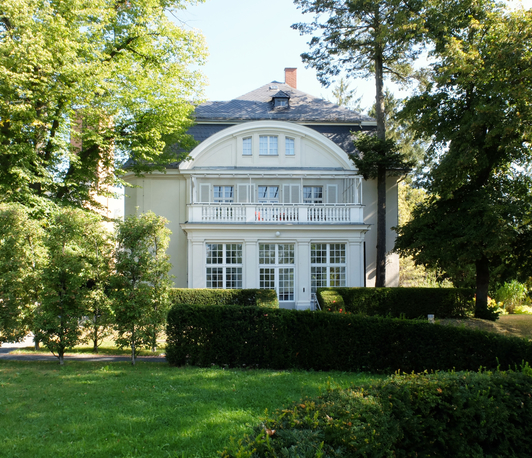
Probing Chirality-Induced Spin Selectivity in Photoemission

  • MP Department Seminar
  • Date: Apr 17, 2026
  • Time: 09:30 AM - 10:30 AM (Local Time Germany)
  • Speaker: Paul Möllers
  • Center for Soft Nanoscience, University of Münster, Germany
  • Location: Building K, Haber-Villa, Faradayweg 8, 14195 Berlin
  • Room: Seminar Room
  • Host: Department of Molecular Physics
  • Contact: dstemer@fhi.mpg.de
The interaction between electrons and chiral molecules can be electron spin- and enantio-selective; this effect is referred to as chirality-induced spin selectivity (CISS). CISS manifests itself in a magnetoresistance across molecular junctions as well as in the spin polarization of photo-electrons emitted from surfaces functionalized with layers of chiral molecules [1,2,3]. [more]

Girls´Day 2026

  • Date: Apr 23, 2026
  • Time: 08:30 AM - 03:30 PM (Local Time Germany)
  • Location: Faradayweg 4-6
  • Host: Fritz Haber Institute
Das Fritz-Haber-Institut macht auch dieses Jahr beim Girls' Day mit! [more]
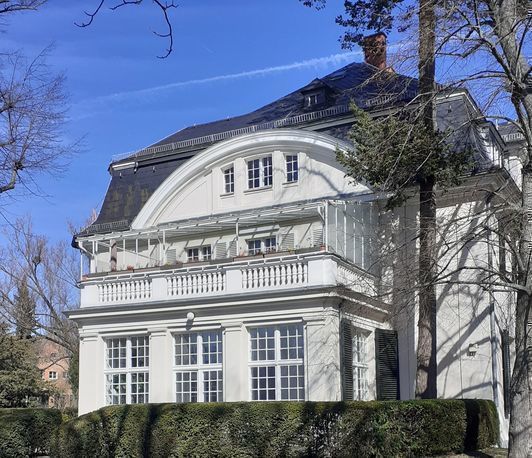
Towards an Enhanced Understanding of Charge Transport and Charge Transfer Processes in Rechargeable Batteries

  • TH Department Seminar
  • Date: Apr 29, 2026
  • Time: 02:30 PM (Local Time Germany)
  • Speaker: Prof. Dominic Bresser
  • Helmholtz-Institute Ulm, Ulm, Germany | Karlsruhe Institute of Technology, Karlsruhe, Germany | Ulm University, Ulm, Germany
  • Location: https://zoom.us/j/93470061101?pwd=bK16QwmMZwCKUwptxkeu9FrHBx1xhS.1
  • Room: Meeting ID: 934 7006 1101 | Passcode: 752784
  • Host: TH Department
Lithium-ion batteries are the state-of-the-art electrochemical energy storage technology for a wide range of devices, ranging from small portable electronics to (hybrid) electric vehicles and even large-scale stationary storage applications. [more]

Materials Innovation and Operando Characterization in Na-Ion Batteries

  • TH Department Seminar
  • Date: Apr 30, 2026
  • Time: 02:00 PM (Local Time Germany)
  • Speaker: Prof. Philipp Adelhelm
  • Institute of Chemistry, Humboldt-University Berlin, Germany | CE-GOBA, Helmholtz-Zentrum Berlin für Materialien und Energie, Berlin, Germany | Center for the Science of Materials Berlin (CSMB), Humboldt-University Berlin, Germany
  • Location: https://zoom.us/j/96795549915?pwd=GimuyXKCyGLByx5r03mgpx05b8KwWR.1
  • Room: Meeting ID: 967 9554 9915 | Passcode: 904639
  • Host: TH Department
Sodium-ion batteries (SIBs) have undergone rapid development in recent years and are now entering the market. The main driver for the development of SIBs is to provide a second technology for high performance energy storage alongside Li-Ion batteries (LIBs). [more]
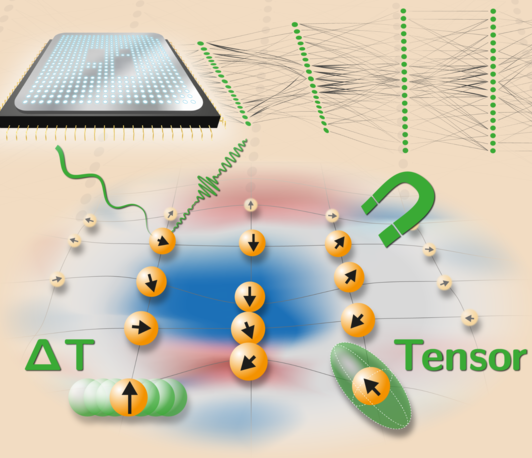
Reactivity, Ionic Structure, and Solvation at The Air-Water Interface

  • PC Special Seminar
  • Date: May 7, 2026
  • Time: 11:00 AM (Local Time Germany)
  • Speaker: Jahan Dawlaty
  • University of Southern California
  • Location: Building G
  • Room: 2.06
  • Host: Tillmann Buttersack
tba [more]
TH-Seminar: Prof. Robert Meissner

  • TH Department Seminar
  • Date: May 7, 2026
  • Time: 02:00 PM (Local Time Germany)
  • Speaker: Prof. Robert Meissner
  • Technische Universität Hamburg, Institut für Grenzflächenphysik und -technologie, Hamburg, D
  • Location: Building M, Richard-Willstätter-Haus, Faradayweg 10, 14195 Berlin
  • Room: Seminar Room
  • Host: TH Department
Prof. Dr. Christophe Copéret

Understanding Catalysis, one Atom at a Time

  • ISC Department Seminar
  • Date: May 8, 2026
  • Time: 02:00 PM - 03:00 PM (Local Time Germany)
  • Speaker: Prof. Dr. Christophe Coperét
  • ETH Zurich, Department of Chemistry and Applied Biosciences
  • Location: Building P, Faradayweg 16, 14195 Berlin
  • Room: Seminar Room P 2.05
  • Host: Interface Science Department
  • Topic: Discussion and debate formats, lectures
  • Contact: steinhagen@fhi-berlin.mpg.de
Most efficient chemical processes used in industry rely on heterogeneous catalysis. While the search for more sustainable processes and the changes in environmental policies impose the continuous development of more efficient catalysts, we have currently little understanding of the structure of the actives in these processes. Hence, due to their inherent complexity, heterogeneous catalysts have been mostly developed empirically. [more]
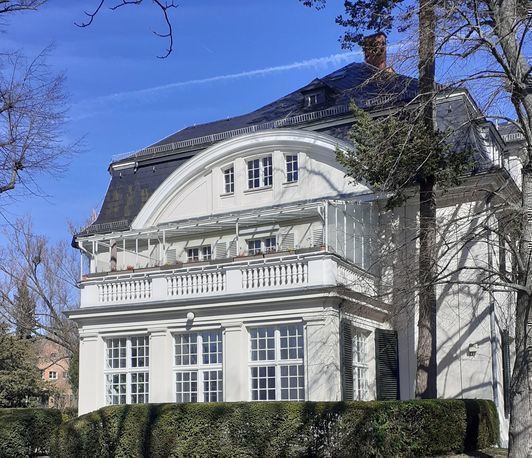
TH-Seminar: Prof. Oliver T. Hofmann

  • TH Department Seminar
  • Date: May 21, 2026
  • Time: 02:00 PM (Local Time Germany)
  • Speaker: Prof. Oliver T. Hofmann
  • Institute of Solid State Physics, Graz University of Technology, Graz, Austria
  • Location: Building M, Richard-Willstätter-Haus, Faradayweg 10, 14195 Berlin
  • Room: Seminar Room
  • Host: TH Department
Prof. Niklas Nilius

From defect luminescence to cationic mixing: Oxide materials in the STM

  • ISC Department Seminar
  • Date: Jun 22, 2026
  • Time: 10:00 AM - 11:00 AM (Local Time Germany)
  • Speaker: Prof. Niklas Nilius
  • University of Oldenburg, Germany
  • Location: Building P, Faradayweg 16, 14195 Berlin
  • Room: Gebäude P, Seminar Room P 2.05, Faradayweg 16
  • Host: Interface Science Department
  • Topic: Discussion and debate formats, lectures
  • Contact: nikolaus@fhi-berlin.mpg.de
(TBA) [more]
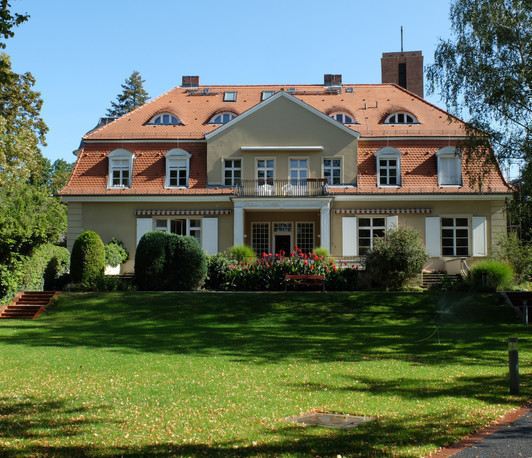
Challenges on the Renewable Energy Storage

  • Start: Jun 23, 2026
  • End: Jun 26, 2026
  • Location: Castle Liblice, Czech Republic
  • Host: Katrzyna Skorupska
  • Contact: skorupska@fhi-berlin.mpg.de
With the aim of enabling vital exchange of emerging expertise, the international conference “Challenges on Renewable Energy Storage” was set up. Following the first two gatherings of this kind in 2022 and 2024, the meeting will continue to bring together front runners of the fields catalysis and electrocatalysis, allowing them to exchange views on the most recent advancements, as well as to renew the necessary interdisciplinary networks. [more]
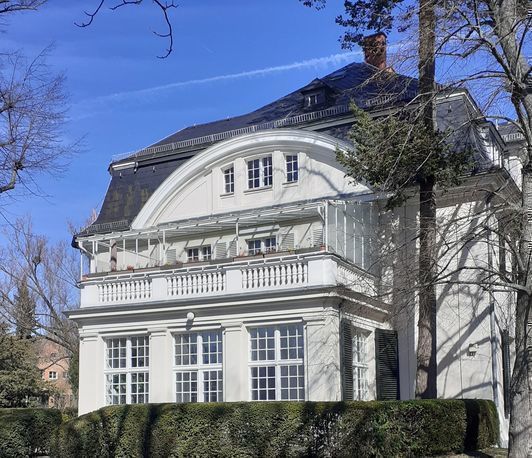
Go to Editor View