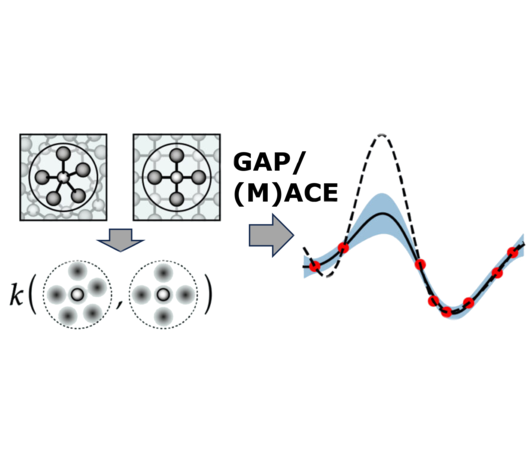
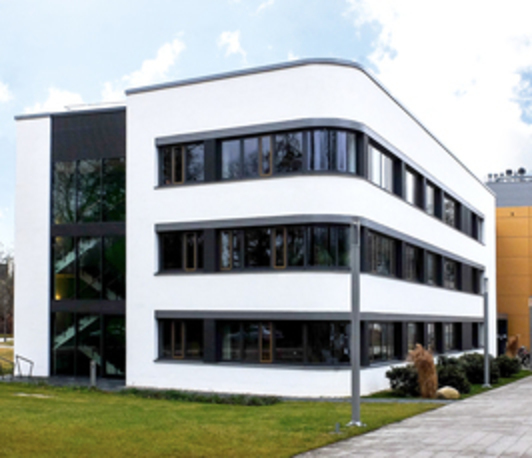
The countdown has begun for the upcoming CECAM Node Workshop: "GAP/(M)ACE Developers & Users Meeting 2024", which will take place from the 17th to the 20th of September at the Institute of Computer Science of the Free University of Berlin, Takustrasse. 9, 14195, Berlin. The workshop is organized by members of the Institute´s Theory Department , Unviersity of Warwick, Aalto University, and University of Cambridge. It is further supported by CECAM, Psi-K, DFG, and Freie Universität Berlin.
[mehr]